
.jpeg)
Cabergoline vs. rosiglitazone: a complete comparison of the two drugs!
Cabergoline and rosiglitazone (Rosiglitazone) belong to drugs in different therapeutic fields. The former is a dopamine D2 receptor agonist, mainly used to treat hyperprolactinemia; the latter is a thiazolidinedione oral hypoglycemic drug, mainly used to improve insulin sensitivity in patients with type 2 diabetes. From pharmacological mechanisms to indications, safety and regulatory status, the comprehensive comparison of these two drugs provides clinicians and patients with an important reference for treatment decisions.
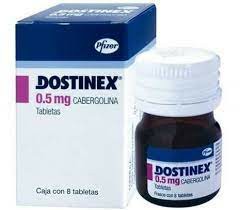
Cabergoline inhibits the synthesis and secretion of prolactin (PRL) by selectively activating pituitary dopamineD2 receptors, and therefore has significant efficacy in the treatment of hyperprolactinemia caused by pituitary prolactinoma. Patients usually experience recovery of menstrual cycles, relief of galactorrhea and improvement of fertility after use. It is currently one of the first-choice drugs for the treatment of hyperprolactinemia in the world. Under the premise of reasonable dose control, the adverse reactions of cabergoline are relatively mild, with mild dizziness, nausea or hypotension being common reactions. Long-term use of small doses has a low risk of heart valve disease.
Different from this, rosiglitazone acts on the core mechanism of insulin resistance in patients with type 2 diabetes. It acts as a peroxisome proliferator-activated receptor gamma (PPARγ) agonist by modulating insulin signaling in adipose tissue and liver to increase glucose uptake and utilization, thereby significantly reducing blood glucose levels. Rosiglitazone was widely used in the early monotherapy or combination treatment of type 2 diabetes, especially for patients with obvious insulin resistance. However, its safety is widely debated. A number of observational studies have suggested that it may increase the risk of cardiovascular events such as heart failure and myocardial infarction, and its use has even been suspended by some countries. Although follow-up studies such as the RECORD trial clarified its cardiovascular risk and deemed its risk controllable, and the U.S. FDA also lifted restrictions on its use in 2020, rosiglitazone is still used with caution in China, and most doctors give priority to other oral hypoglycemic drugs such as metformin or SGLT2 inhibitors.
The two also have significant differences in pharmacokinetics. Cabergoline is a long-acting preparation with a half-life of up to 63,109 hours. It can usually be taken 12 times a week to maintain its efficacy, improving patient compliance. The half-life of rosiglitazone is relatively short, about 3 to 4 hours. It needs to be taken regularly every day, and the dose must be flexibly adjusted according to blood sugar control. Cabergoline has little effect on blood sugar metabolism, while rosiglitazone can cause weight gain and fluid retention, and some female patients may experience side effects such as edema in the early stages of treatment.
From the perspective of indication expansion potential, cabergoline has also been studied in recent years for its use in polycystic ovary syndrome (The treatment of hyperprolactinemia related to PCOS) is expected to play a greater role in the endocrine field; while rosiglitazone is being explored for the improvement of insulin resistance in fatty liver and PCOS, although these uses have not yet been officially approved. In addition, both have contraindications for use in specific groups. For example, cabergoline should be used with caution in patients with a history of severe valvular disease, while rosiglitazone should be avoided in patients with congestive heart failure or at risk for heart failure.
In terms of domestic accessibility, cabergoline has not yet been fully launched in mainland China due to approval and market factors. It is only available in Hong Kong, Macao and Taiwan or through specialty drug channels. Some patients need to rely on "cross-border medical treatment" to solve their medication needs. Although rosiglitazone was briefly withdrawn from the market, it is still available in some regions and hospitals. Clinical use requires strict assessment of cardiovascular risks.
Reference materials:https://my.clevelandclinic.org/health/drugs/20863-cabergoline-tablets
[ 免责声明 ] 本页面内容来自公开渠道(如FDA官网、Drugs官网、原研药厂官网等),仅供持有医疗专业资质的人员用于医学药学研究参考,不构成任何治疗建议或药品推荐。所涉药品可能未在中国大陆获批上市,不适用于中国境内销售和使用。如需治疗,请咨询正规医疗机构。本站不提供药品销售或代购服务。


