
.jpeg)
The role and efficacy of giritinib: analysis of indications and treatment principles
Gilteritinib is an oral small molecule tyrosine kinase inhibitor with the trade name Xospata. It was originally developed by Astellas Pharma. It is currently one of the important targeted drugs for the treatment of relapsed or refractory acute myeloid leukemia (AML) carrying FLT3 gene mutations. It specifically targets patients with FLT3 mutation subtypes, especially FLT3-ITD (internal tandem repeat mutations) and FLT3-TKD (tyrosine kinase domain mutations). These mutations are often closely related to rapid disease progression, high recurrence rates, chemotherapy resistance and other poor prognostic factors.
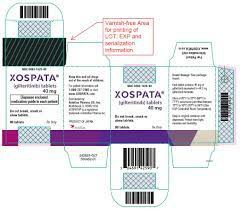
The therapeutic principle of giritinib lies in its potent inhibitory effect onFLT3 kinase activity. FLT3 mutations cause leukemia cells to proliferate excessively and uncontrollably, leading to the accumulation of abnormal immature white blood cells in the bone marrow and inhibiting normal hematopoiesis. Giritinib can highly selectively inhibit the activity of FLT3 and block the mutation signaling pathway, thereby inducing leukemia cell apoptosis and slowing down the progression of the disease. In the ADMIRAL phase III clinical study, giritinib significantly prolonged the patient's median overall survival (9.3 months vs. 5.6 months with standard treatment) and improved the complete response rate. Therefore, it was approved for marketing by the US FDA in 2018 and became the preferred targeted drug for relapsed/refractory FLT3-mutated AML recommended in the NCCN guidelines.
Giritinib is currently suitable for adult patients with relapsed or refractory AML known to have FLT3 mutations. Molecular testing must be performed to confirm FLT3 mutation status before using this drug. The recommended dose is 120 mg taken orally once daily, on an empty stomach or with food. It is worth noting that giritinib is different from traditional chemotherapy in that it can be used as a single agent or in combination with other drugs such as hypomethylating agents to explore indications for a wider range of people.
In terms of safety, the side effects of giritinib are generally controllable. Common adverse reactions include elevated transaminases, fatigue, QT interval prolongation, hypertension, anemia, etc. Some patients may develop differentiation syndrome or elevated pancreatic enzymes, and electrolytes, electrocardiograms, and liver and kidney functions need to be closely monitored. Because its targeting mechanism is more precise, it is usually more tolerable than chemotherapy, and is especially suitable for older patients or patients with multiple comorbidities who are not suitable for intensive treatment.
Reference materials:https://www.xospata.com/
[ 免责声明 ] 本页面内容来自公开渠道(如FDA官网、Drugs官网、原研药厂官网等),仅供持有医疗专业资质的人员用于医学药学研究参考,不构成任何治疗建议或药品推荐。所涉药品可能未在中国大陆获批上市,不适用于中国境内销售和使用。如需治疗,请咨询正规医疗机构。本站不提供药品销售或代购服务。


