
.jpeg)
Precautions when using donepezil transdermal patch
Donepezil Transdermal System is a cholinesterase inhibitor used for the treatment of Alzheimer’s Disease (AD). It can increase the level of acetylcholine in the brain, thereby improving the patient’s cognitive function. Compared with oral dosage forms, transdermal patches can provide more stable blood drug concentrations and reduce gastrointestinal adverse reactions. However, there are many things that patients and caregivers need to pay attention to during use to ensure safety and efficacy.
1. Correct use of patches
To ensure effective absorption of the drug, patients should choose a clean, dry, hair-free area of skin, such as the back, upper arms, chest, or thighs. Avoid applying it to damaged, red, swollen or wounded skin to avoid affecting drug absorption or causing irritation. Each time a new patch is replaced, the patch site should be changed to avoid sticking it on the same site for a long time, thereby reducing the risk of skin irritation.
The patch should be replaced once a week. When using it, make sure it fits firmly to avoid falling off. If the patch accidentally falls off, a new patch should be attached immediately and the next patch should be replaced at the originally planned time. In addition, although the patch has certain waterproof properties, it is recommended to avoid long-term immersion, such as long-term bathing or swimming, so as not to affect the stability of drug release.
2. Avoid drug interactions
Donepezil transdermal patch may interact with a variety of drugs, affecting efficacy or increasing the risk of side effects. For example, concomitant use with **other cholinesterase inhibitors (eg, galantamine, rivastigmine)** may result in enhanced cholinergic effects, leading to serious side effects such as nausea, vomiting, diarrhea, and bradycardia.
(1) Elderly patients: Alzheimer’s disease is more common in the elderly. Although the donepezil transdermal patch was developed for this population, special attention must be paid to medication safety. Elderly patients are more sensitive to drugs and are prone to hypotension, bradycardia and syncope. They need to closely observe changes in their condition during use.
(2) Patients with cardiovascular disease: Donepezil may cause bradycardia or atrioventricular block, so patients with a history of heart disease (such as sinus bradycardia, atrioventricular block or arrhythmia) should use it with caution and adjust the dose under the guidance of a doctor.
(3) Patients with abnormal liver and kidney function: Donepezil is mainly metabolized by the liver and excreted by the kidneys. Therefore, patients with severe liver dysfunction or renal failure should use it with caution, adjust the dose if necessary, and monitor liver and kidney function regularly.
(4) Pregnant and lactating women: The safety of donepezil during pregnancy and lactating has not been fully determined, so pregnant or lactating women should use it with caution and only after a doctor weighs the pros and cons.
4. Possible adverse reactions
Although the donepezil transdermal patch is better tolerated than the oral form, it may still cause some side effects. The most common adverse reactions include gastrointestinal discomfort, such as nausea, vomiting, and diarrhea, especially in the initial stage. This is due to increased cholinergic effects and usually resolves with adaptation.
Additionally, some patients may experience skin irritation such as redness, itching, or contact dermatitis. If the skin reaction is severe, the patch site should be changed or a doctor should be consulted to consider switching to other dosage forms. Other less common but serious adverse reactions include bradycardia, hypotension, syncope, and muscle spasms. If they occur, seek medical attention promptly.
5. Other precautions
(1) Correct storage: Patches should be stored in a cool, dry place away from direct sunlight or high temperature environments to prevent them from affecting drug stability. Do not tear open the package before use to avoid affecting the efficacy of the medicine.
(2) Prevent misuse: Donepezil transdermal patch should be kept away from children and pets to avoid misuse or ingestion. Discard properly after use to prevent children from coming into contact with drug residues.
(3) Regular evaluation of efficacy: During long-term use, patients should be followed up regularly, and doctors should evaluate the efficacy and adverse reactions. If your condition does not improve or serious side effects occur, your doctor may adjust the dose or change your treatment.
Donepezil transdermal patch is an effective drug for the treatment of Alzheimer's disease, which can provide stable blood concentration and reduce gastrointestinal adverse reactions. However, during use, it is necessary to pay attention to the correct patching method, avoid drug interactions, and pay attention to the safety of use by special groups. Patients should use it under the guidance of a doctor, closely observe possible adverse reactions, and regularly evaluate efficacy to ensure maximum benefits and reduce risks.
Reference: https://www.accessdata.fda.gov/drugsatfda_docs/label/2022/212304s000lbl.pdf
1. Correct use of patches
To ensure effective absorption of the drug, patients should choose a clean, dry, hair-free area of skin, such as the back, upper arms, chest, or thighs. Avoid applying it to damaged, red, swollen or wounded skin to avoid affecting drug absorption or causing irritation. Each time a new patch is replaced, the patch site should be changed to avoid sticking it on the same site for a long time, thereby reducing the risk of skin irritation.
The patch should be replaced once a week. When using it, make sure it fits firmly to avoid falling off. If the patch accidentally falls off, a new patch should be attached immediately and the next patch should be replaced at the originally planned time. In addition, although the patch has certain waterproof properties, it is recommended to avoid long-term immersion, such as long-term bathing or swimming, so as not to affect the stability of drug release.
2. Avoid drug interactions
Donepezil transdermal patch may interact with a variety of drugs, affecting efficacy or increasing the risk of side effects. For example, concomitant use with **other cholinesterase inhibitors (eg, galantamine, rivastigmine)** may result in enhanced cholinergic effects, leading to serious side effects such as nausea, vomiting, diarrhea, and bradycardia.
In addition, donepezil may affect the metabolism of certain antipsychotics, antidepressants, and antiepileptic drugs, so patients taking these drugs should consult their physician to assess the risks before initiating transdermal patch treatment. Certain **anticholinergic drugs (such as atropine, scopolamine)** may reduce the efficacy of donepezil, so they should not be used together.
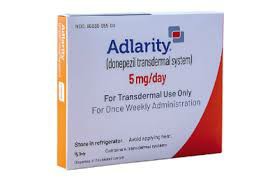
(1) Elderly patients: Alzheimer’s disease is more common in the elderly. Although the donepezil transdermal patch was developed for this population, special attention must be paid to medication safety. Elderly patients are more sensitive to drugs and are prone to hypotension, bradycardia and syncope. They need to closely observe changes in their condition during use.
(2) Patients with cardiovascular disease: Donepezil may cause bradycardia or atrioventricular block, so patients with a history of heart disease (such as sinus bradycardia, atrioventricular block or arrhythmia) should use it with caution and adjust the dose under the guidance of a doctor.
(3) Patients with abnormal liver and kidney function: Donepezil is mainly metabolized by the liver and excreted by the kidneys. Therefore, patients with severe liver dysfunction or renal failure should use it with caution, adjust the dose if necessary, and monitor liver and kidney function regularly.
(4) Pregnant and lactating women: The safety of donepezil during pregnancy and lactating has not been fully determined, so pregnant or lactating women should use it with caution and only after a doctor weighs the pros and cons.
4. Possible adverse reactions
Although the donepezil transdermal patch is better tolerated than the oral form, it may still cause some side effects. The most common adverse reactions include gastrointestinal discomfort, such as nausea, vomiting, and diarrhea, especially in the initial stage. This is due to increased cholinergic effects and usually resolves with adaptation.
Additionally, some patients may experience skin irritation such as redness, itching, or contact dermatitis. If the skin reaction is severe, the patch site should be changed or a doctor should be consulted to consider switching to other dosage forms. Other less common but serious adverse reactions include bradycardia, hypotension, syncope, and muscle spasms. If they occur, seek medical attention promptly.
5. Other precautions
(1) Correct storage: Patches should be stored in a cool, dry place away from direct sunlight or high temperature environments to prevent them from affecting drug stability. Do not tear open the package before use to avoid affecting the efficacy of the medicine.
(2) Prevent misuse: Donepezil transdermal patch should be kept away from children and pets to avoid misuse or ingestion. Discard properly after use to prevent children from coming into contact with drug residues.
(3) Regular evaluation of efficacy: During long-term use, patients should be followed up regularly, and doctors should evaluate the efficacy and adverse reactions. If your condition does not improve or serious side effects occur, your doctor may adjust the dose or change your treatment.
Donepezil transdermal patch is an effective drug for the treatment of Alzheimer's disease, which can provide stable blood concentration and reduce gastrointestinal adverse reactions. However, during use, it is necessary to pay attention to the correct patching method, avoid drug interactions, and pay attention to the safety of use by special groups. Patients should use it under the guidance of a doctor, closely observe possible adverse reactions, and regularly evaluate efficacy to ensure maximum benefits and reduce risks.
Reference: https://www.accessdata.fda.gov/drugsatfda_docs/label/2022/212304s000lbl.pdf
[ 免责声明 ] 本页面内容来自公开渠道(如FDA官网、Drugs官网、原研药厂官网等),仅供持有医疗专业资质的人员用于医学药学研究参考,不构成任何治疗建议或药品推荐。所涉药品可能未在中国大陆获批上市,不适用于中国境内销售和使用。如需治疗,请咨询正规医疗机构。本站不提供药品销售或代购服务。


