
.jpeg)
Precautions for use of dextroamphetamine transdermal patch
Dextroamphetamine Transdermal System (Dextroamphetamine Transdermal System) is a drug used to treat attention deficit hyperactivity disorder (ADHD) and narcolepsy. It has good efficacy, but special attention needs to be paid during use to ensure safe and effective use. The following are precautions for the use of dextroamphetamine transdermal patches to help patients be fully prepared for use.
1. Indications and Contraindications
Dextroamphetamine transdermal patch is mainly used to treatADHD and narcolepsy. Before using this medicine, patients must be evaluated by a doctor to confirm its indications. This drug should be used with extreme caution in patients with the following medical history:
Cardiovascular diseases: Such as hypertension, arrhythmia, coronary heart disease, etc., dextroamphetamine may increase the burden on the heart, leading to tachycardia, hypertension and other problems, so such patients need to regularly monitor their cardiovascular conditions when using it.
History of mental illness: Such as bipolar disorder, schizophrenia, depression, etc., stimulant drugs may aggravate symptoms or trigger psychotic episodes, so such patients need to avoid using them or use them under the guidance of a doctor.
History of drug allergy: Patients who are allergic to dextroamphetamine or similar drugs should not use this drug. Allergic reactions may include rash, difficulty breathing, etc., and severe cases may be life-threatening.
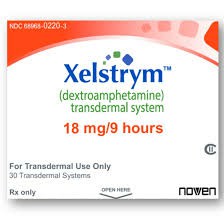
2. Drug use and dose adjustment
To use the dextroamphetamine transdermal patch, replace the patch once a day and apply it to a clean, dry, wound-free area of the skin. Patients should avoid using the patch continuously on the same area to prevent skin irritation or allergic reaction. The usage time of each tablet is 24 hours. Patches that are expired or exceed 24 hours need to be replaced and cannot be reused.
Dosage should be adjusted based on patient response and severity of condition, usually starting with a lower dose and gradually increasing. When initiating treatment, it is recommended to start with a low-dose patch and gradually adjust the dose based on efficacy and tolerability. If obvious adverse reactions occur during use, patients should contact their doctor in time, and the dosage may need to be adjusted or the drug discontinued.
3. Interactions between drugs and other drugs
Dextroamphetamine may interact with other drugs, so before using this drug, patients should inform their doctor about other drugs they are taking, especially the following types of drugs:
Antidepressants, antipsychotics: Concomitant use of certain antidepressants (such as monoamine oxidase inhibitors) with dextroamphetamine may cause severe hypertensive crises, so combined use needs to be avoided.
Antihypertensive drugs: Dextroamphetamine may cause an increase in blood pressure. When used in combination with antihypertensive drugs, it may affect the antihypertensive effect, so blood pressure should be closely monitored.
Antacids or antiepileptic drugs: Certain drugs may affect the metabolism of dextroamphetamine, thereby changing its efficacy or increasing the risk of side effects. Patients should be regularly monitored for drug effects and side effects.
Therefore, when using dextroamphetamine transdermal patch, you should strictly follow the doctor's prescription and avoid self-adjustment of drug type and dosage.
4. Adverse reactions and monitoring
The side effects of dextroamphetamine transdermal patch include insomnia, loss of appetite, anxiety, headache, dry mouth, tachycardia and hypertension, and some patients may experience more serious reactions. The following aspects should be monitored regularly during use:
Cardiovascular health: Measure blood pressure and heart rate regularly, especially in patients with a history of cardiovascular disease. If symptoms such as palpitations, chest pain, extreme fatigue, etc. occur, you should stop using it immediately and consult a doctor.
Mental status: Pay attention to the patient's mood swings and whether there are symptoms of anxiety, depression, or confusion. If hallucinations, delusions and other mental symptoms occur, you should stop taking the medication immediately and seek professional help.
Skin reaction: The use of transdermal patches may cause allergic skin reactions, such as redness, swelling, itching, rash, etc. If the skin reaction is severe or persists, the patch position should be changed and anti-allergic drugs should be used if necessary.
5. Attention for use by special groups
Pregnant women, nursing mothers, and elderly patients should use extra caution when using dextroamphetamine transdermal patches. Pregnant women should weigh the pros and cons when using it and decide whether to use it under the guidance of a doctor, especially in the early stages of pregnancy. Dextroamphetamine may have adverse effects on the fetus and should be avoided unless necessary during pregnancy.
For elderly patients, the dose of dextroamphetamine transdermal patch may need to be adjusted appropriately. The elderly may have poor tolerance to drugs and are prone to side effects on the cardiovascular system, so they should be used more cautiously and monitor ECG and blood pressure if necessary.
Dextroamphetamine transdermal patch is an effective treatment for ADHD and narcolepsy. Its use needs to strictly follow the guidance of a doctor. When using it, patients should pay attention to dosage adjustment, drug interactions, regular monitoring of side effects, and use precautions for special groups. Only after fully understanding the use and potential risks of the drug can patients use this drug more safely and effectively to improve symptoms and quality of life.
References: https://www.accessdata.fda.gov/drugsatfda_docs/label/2022/215401s000lbl.pdf
[ 免责声明 ] 本页面内容来自公开渠道(如FDA官网、Drugs官网、原研药厂官网等),仅供持有医疗专业资质的人员用于医学药学研究参考,不构成任何治疗建议或药品推荐。所涉药品可能未在中国大陆获批上市,不适用于中国境内销售和使用。如需治疗,请咨询正规医疗机构。本站不提供药品销售或代购服务。


