
.jpeg)
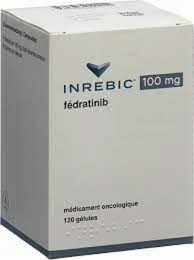
Analysis of the package insert for Fizotinib: Medication Guide and Risk Warning
Indications:
Fizotinib for the treatment of adult patients with intermediate- or high-risk primary or secondary myelofibrosis
Mechanism of action:
By inhibitingJanusrelated kinases2 (JAK2) andFMSlike tyrosine kinase3 (FLT3) activity to block myelofibrosis-related signaling pathways. Specifically, Fizotinib can reduce the phosphorylation of signal transducer and activator of transcription (STAT3/5) proteins, thereby inhibiting the proliferation of abnormal cells, inducing apoptosis, and effectively improving the symptoms of patients with myelofibrosis.
Medication method:
Oral once a day400mg, can be taken with food or on an empty stomach
Side effects:
Gastrointestinal symptoms: Fizotinib may cause gastrointestinal discomfort such as nausea, vomiting, diarrhea, and dyspepsia. These symptoms are usually mild or moderate and can be controlled with appropriate management and dosage adjustments.
Hematological toxicities: Fizotinib may cause hematological toxicities such as anemia, thrombocytopenia, and neutropenia. These side effects require regular monitoring of complete blood counts and appropriate action, such as dose reduction or treatment suspension, as needed.
Hepatotoxicity: A small number of patients may develop abnormal liver function after taking Fizotinib, manifested by symptoms such as elevated liver enzymes or jaundice. During treatment, doctors will regularly check the patient's liver function and make adjustments or management as needed.
Other side effects: In addition, fizotinib may cause side effects such as fatigue, headache, joint pain, and rash. Although the incidence of these side effects is low, patients still need to pay close attention to their physical condition and report any discomfort to their doctor in time.
Warnings and precautions:
Risk of Wernicke's encephalopathy: The prescribing information for Fizotinib contains a boxed warning to alert physicians and patients to the risk of serious and fatal Wernicke's encephalopathy. Wernicke's encephalopathy is a disease caused by vitamin B1Nervous system diseases caused by (thiamine) deficiency may lead to symptoms such as abnormal eye movements, ataxia, and changes in mental status. Therefore, physicians should evaluate patients' thiamine levels before using fizotinib, during treatment, and as clinically necessary, and supplement if necessary. If Wernicke's encephalopathy is suspected, Fizotinib should be discontinued immediately and parenteral vitamin B1 supplementation should be given.
Heart Health: Fizotinib may cause cardiac arrhythmias, including prolongation of the QT interval, increasing the risk of cardiac events. Therefore, patients' cardiac health should be carefully assessed before use and ECGs should be monitored closely during treatment.
Hepatic and renal function: The metabolism of fizotinib is dependent on the liver, so patients' liver function should be assessed before use. For patients with renal insufficiency, it may be necessary to adjust the dose or extend the dosing interval to avoid drug accumulation and the occurrence of adverse reactions.
Hematology Monitoring: Fizotinib may cause hematologic toxicities such as anemia, thrombocytopenia, and neutropenia. Therefore, patients' complete blood counts should be monitored regularly during use and appropriate actions taken as needed.
Drug interactions:
When used together with drugs such as CYP3A4 substrates, P-glycoprotein substrates, and anticoagulants, close monitoring is required and the dose may need to be adjusted.
Medication for special populations:
Pregnant and breastfeeding women should avoid using fizotinib
Reference materials:https://en.wikipedia.org/wiki/Fedratinib
[ 免责声明 ] 本页面内容来自公开渠道(如FDA官网、Drugs官网、原研药厂官网等),仅供持有医疗专业资质的人员用于医学药学研究参考,不构成任何治疗建议或药品推荐。所涉药品可能未在中国大陆获批上市,不适用于中国境内销售和使用。如需治疗,请咨询正规医疗机构。本站不提供药品销售或代购服务。


