
.jpeg)
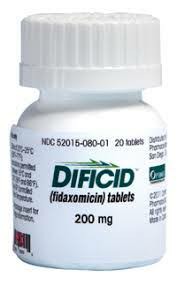
Detailed instructions for fidaxomicin: Medication Guide and Precautions
Indications:
Fidaxomicin mainly focuses on the treatment of Clostridium difficile infection
Mechanism of action:
Block bacterial protein synthesis by inhibiting bacterial RNA polymerase. Fidaxomicin binds to the bacterial RNA polymerase subunit, interfering with the activity of its catalytic center, thereby preventing bacterial DNA transcription and protein synthesis. This mechanism allows fidaxomicin to selectively inhibit the growth of Clostridium difficile while having little effect on the normal flora in the intestine. This high selectivity and local action characteristics make fidaxomicin an effective drug for the treatment of Clostridium difficile infection.
Medication method:
Adults and pediatric patients weighing at least 12.5 and able to swallow tablets should take one tablet 200mg twice a day for 10 days.
Side effects:
Gastrointestinal reactions: including nausea, vomiting, abdominal pain, diarrhea, indigestion and other symptoms. These symptoms are usually mild and often resolve spontaneously after stopping the medication. However, patients should promptly consult their physician for severe or persistent gastrointestinal reactions.
Allergic reactions: rash, itching, urticaria, etc. Serious allergic reactions such as shortness of breath, laryngeal edema, or facial swelling are rare, but if they occur, you should stop taking the drug and seek medical attention immediately.
Abnormal blood and biochemical indicators: Some patients may have anemia, reduced blood bicarbonate, elevated liver enzymes, etc. These changes usually require monitoring and management under the guidance of a physician.
Liver function impairment: A few patients have reported symptoms of liver function impairment, such as jaundice and elevated liver enzymes, after taking fidaxomicin. Therefore, patients should regularly monitor liver function indicators during the use of fidaxomicin, especially for patients with a history of liver disease.
Other uncommon side effects: In addition to the above-mentioned side effects, individual patients may also experience uncommon side effects such as headache, fatigue, loss of appetite, insomnia, skin itching, and numbness of the limbs. Most of these side effects are mild and disappear on their own after stopping the medication.
Warnings and precautions:
Risk of allergic reactions: Fidaxomicin may cause allergic reactions, including rash, itching, urticaria, etc., and in severe cases, anaphylactic shock. Patients should inform their doctor of their allergic history before use. Once allergic symptoms occur, they should stop taking the medicine immediately and seek medical advice.
Liver function monitoring: Fidaxomicin may affect liver function, leading to abnormalities such as elevated liver enzymes. Therefore, during use, especially during long-term use, liver function indicators should be monitored regularly to ensure the safety of drug use.
Management of gastrointestinal reactions: Fidaxomicin may cause gastrointestinal reactions such as nausea, vomiting, and diarrhea. If the symptoms are severe or persistent, you should consult your doctor promptly. The medication regimen may need to be adjusted or symptomatic treatment measures may need to be taken.
Drug interactions:
When used in combination with P- glycoprotein inhibitors (such as certain antiviral, antifungal and anti-rejection drugs), the plasma concentration of fidaxomicin may be increased and the risk of adverse reactions may be increased.
Medication for special populations:
Pregnant women, lactating women, children, the elderly and other special groups should be cautious when using fidaxomicin, use it under the guidance of a doctor, and pay close attention to body reactions.
Reference materials:https://en.wikipedia.org/wiki/Fidaxomicin
[ 免责声明 ] 本页面内容来自公开渠道(如FDA官网、Drugs官网、原研药厂官网等),仅供持有医疗专业资质的人员用于医学药学研究参考,不构成任何治疗建议或药品推荐。所涉药品可能未在中国大陆获批上市,不适用于中国境内销售和使用。如需治疗,请咨询正规医疗机构。本站不提供药品销售或代购服务。


