
.jpeg)
How long does selumetinib take to cure neurofibromatosis? Efficacy and long-term treatment options
Selumetinib is an oral small molecule MEK inhibitor that has been approved for the treatment of some types of cancer, especially for patients with neurofibromatosis type 1 (NF1). Neurofibromas are benign tumors formed by the proliferation of neurofibroblastic cells and are common in patients with NF1. As the disease progresses, these tumors may have a significant impact on patients' quality of life. The application of selumetinib mainly focuses on the treatment of neurofibroma-related malignancies or symptoms, but whether it can completely cure neurofibroma still needs to be evaluated on a case-by-case basis.
Treatment effects and courses
Selumetinib, as a MEK inhibitor, reduces the growth and proliferation of neurofibromas by blocking the intracellular MAPK signaling pathway. In clinical trials, selumetinib has shown significant efficacy against NF1-related neurofibromas. Especially in a clinical trial for children and adults, selumetinib was able to effectively shrink tumors, reduce tumor-related symptoms, and improve patients' quality of life. These clinical studies show that selumetinib can significantly improve tumor size within a few months, and some patients can see significant effects after a few weeks of treatment.
Although selumetinib is highly effective, it currently does not completely cure neurofibromatosis. The goals of treatment are usually to control tumor growth, slow disease progression, and improve patient symptoms. Usually, patients with neurofibromatosis require long-term use of selumetinib to continue to control the disease and prevent tumor recurrence. The duration of treatment will vary depending on the patient's condition, and some patients may require long-term maintenance treatment to prevent tumor regrowth or the formation of new tumors.
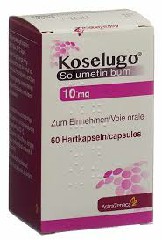
long term treatment plan
For NF1 patients with neurofibromatosis, selumetinib treatment generally follows a long-term management strategy. Since neurofibromatosis is usually a chronic progressive disease and difficult to be completely cured, selumetinib is usually treated as a long-term treatment, and patients need to undergo regular tumor monitoring during treatment to evaluate efficacy and side effects. In clinical practice, the effectiveness of treatment needs to be evaluated through regular imaging examinations to determine whether dose adjustments or treatment regimen changes are needed.
Patients taking selumetinib long-term may face side effects including rash, diarrhea, vomiting, loss of appetite, and abnormal liver function, which require appropriate management during treatment. For some patients who are intolerant of side effects, doctors may adjust the drug dosage or adopt symptomatic treatment. The goal of long-term treatment is to minimize the impact of side effects while maximizing control of neurofibroma growth.
Treatment Outcomes and Outlook
Although selumetinib cannot completely cure neurofibroma, it has shown significant clinical efficacy, especially in controlling tumor growth and relieving symptoms, and has brought hope to many patients. Currently, the application of selumetinib continues to expand, especially in children and adolescent patients, and more and more clinical studies are evaluating its efficacy and safety in different patient groups.
In the future, as more research data accumulates, selumetinib may be used in combination with other treatments to enhance efficacy and reduce side effects. In addition, the long-term safety of drugs remains a key issue in treatment, and with further research, new treatment strategies may emerge to further improve patients' quality of life and treatment effects.
In conclusion, selumetinib provides an effective option for the treatment of neurofibromatosis, especially in patients with more severe disease and rapid tumor growth, but its course of treatment is usually long and is not a completely curative treatment. Patients need to work closely with their doctor to develop an individually tailored treatment plan, with regular evaluation and monitoring during treatment.
Reference materials:https://www.koselugo.com
[ 免责声明 ] 本页面内容来自公开渠道(如FDA官网、Drugs官网、原研药厂官网等),仅供持有医疗专业资质的人员用于医学药学研究参考,不构成任何治疗建议或药品推荐。所涉药品可能未在中国大陆获批上市,不适用于中国境内销售和使用。如需治疗,请咨询正规医疗机构。本站不提供药品销售或代购服务。


