
.jpeg)
Is tazerestat a targeted drug? Analysis of mechanism of action and therapeutic advantages
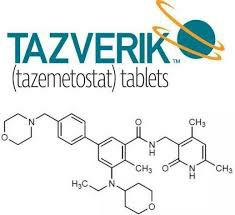
Tazemetostat : is an innovative epigenetic regulation targeted drug. Its target is EZH2 (enhancer Zeste homolog 2), which is a key methyltransferase. In some hematological tumors and solid tumors, abnormal expression or mutation of EZH2 can lead to rapid growth of tumor cells and inhibition of apoptosis. Tazerestat inhibits the growth of cancer cells by specifically inhibiting EZH2 activity, thereby delaying disease progression.
Tazerestat mainly acts onEZH2 and is an epigenetic regulatory drug. EZH2 is one of the core components of the PRC2 complex and is responsible for catalyzing the formation of histone H3K27me3. High levels of H3K27me3 can inhibit the expression of a variety of anti-tumor genes, giving cancer cells a growth advantage.
In patients with follicular lymphoma (FL; Non-Hodgkin lymphoma), EZH2 mutations lead to an abnormal increase in H3K27me3 levels, inhibiting the expression of tumor suppressor genes and making lymphoma cell proliferation out of control. Tazerestat can selectively inhibit EZH2 and re-express these genes, thereby inhibiting tumor growth. In patients with epithelioid sarcoma (ES; soft tissue sarcoma), due to deletion of the SMARCB1 gene, EZH2 activity is upregulated, promoting continued proliferation of cancer cells. Tazetostat reduces the activity of EZH2 and reactivates tumor suppressor genes, thereby controlling the progression of the disease.
Traditional chemotherapy or radiotherapy usually lacks specificity and can kill normal cells, causing serious adverse reactions. By selectively inhibiting EZH2, tazerestat only affects relevant cancer cells, avoiding the extensive toxicity caused by chemotherapy and making it easier for patients to tolerate it. As a small molecule targeted drug, tazetostat takes an oral form and can be taken by patients at home. It is more convenient than traditional intravenous chemotherapy and improves patient compliance.
In clinical studies, tazerestat has shown good efficacy in patients with EZH2-mutant follicular lymphoma who have failed standard treatments. At the same time, some patients with EZH2 wild-type also have a certain response rate. For epithelioid sarcoma, clinical data show that the drug can significantly extend progression-free survival in patients. Many chemotherapy and some targeted drugs can cause severe bone marrow suppression, causing patients to suffer from anemia, leukopenia and other problems. The bone marrow suppression effect of tazerestat is relatively mild, allowing patients to better tolerate the treatment.
Reference materials:https://www.tazverik.com/
[ 免责声明 ] 本页面内容来自公开渠道(如FDA官网、Drugs官网、原研药厂官网等),仅供持有医疗专业资质的人员用于医学药学研究参考,不构成任何治疗建议或药品推荐。所涉药品可能未在中国大陆获批上市,不适用于中国境内销售和使用。如需治疗,请咨询正规医疗机构。本站不提供药品销售或代购服务。


