
.jpeg)
Clinical application of sunitinib/Sutent: analysis of therapeutic effect and targeting mechanism
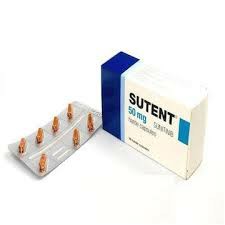
Sunitinib, trade name Sutent, is a multi-target tyrosine kinase inhibitor (TKI) mainly used to treat advanced renal cell carcinoma (RCC), gastrointestinal stromal tumor (GIST) and pancreatic neuroendocrine tumors (pNET). Since being approved by the FDA in 2006, sunitinib has gradually established its position in anti-tumor treatment and has become one of the standard treatments for these cancer types.
Sunitinib inhibits the growth of cancer cells by inhibiting multiple tyrosine kinase receptors (RTKs) and blocking tumor angiogenesis and cell proliferation signaling pathways. Its main targets include:
1. Vascular endothelial growth factor receptors (VEGFR1, VEGFR2, VEGFR3): By inhibiting VEGFR, sunitinib reduces tumor angiogenesis, causing insufficient blood supply to the tumor and limiting its growth.
2. Platelet-derived growth factor receptor (PDGFR-α, PDGFR-β): Inhibits the proliferation of stromal cells in the tumor microenvironment and further reduces angiogenesis.
3. Stem cell factor receptor (c-KIT): This mechanism is particularly critical in patients with gastrointestinal stromal tumor (GIST) and can effectively inhibit the proliferation of tumor cells.
4. Flt3 and RET receptors: These receptors play an important role in the progression of certain solid tumors and leukemias, and the inhibitory effect of sunitinib helps control the disease.
clinical treatment effect
1. Advanced renal cell carcinoma (RCC): Sunitinib is the first-line targeted therapy for RCC. Studies have shown that its median progression-free survival (PFS) is 11-12 months, which is significantly higher than traditional interferon treatment (PFS about 5-6 months). Sunitinib still provides good disease control rates in patients who have failed previous cytokine therapy.
2. Gastrointestinal stromal tumor (GIST): Suitable for patients who have failed or are resistant to imatinib treatment. Clinical data show that the PFS of GIST patients treated with sunitinib can reach 6-8 months, which is significantly longer than that of the placebo group.
3. Pancreatic neuroendocrine tumors (pNET): It is mainly used for patients with unresectable advanced pNET. Studies have shown that its PFS can reach 11.4 months, which is significantly superior to the 5.5 months of placebo.
Reference materials:https://www.sutent.com/
[ 免责声明 ] 本页面内容来自公开渠道(如FDA官网、Drugs官网、原研药厂官网等),仅供持有医疗专业资质的人员用于医学药学研究参考,不构成任何治疗建议或药品推荐。所涉药品可能未在中国大陆获批上市,不适用于中国境内销售和使用。如需治疗,请咨询正规医疗机构。本站不提供药品销售或代购服务。


