
.jpeg)
How long does it take to take Jisandai/Bingtonsha to treat hepatitis C and turn negative?
Epclusa is currently one of the internationally recognized first-line hepatitis C (HCV) treatment options. It is developed and produced by Gilead Sciences of the United States. Its active ingredients are Sofosbuvir and Velpatasvir, which work together to target all six HCV genotypes (GT1-6), so it is called a "pan-genotypic" hepatitis C antiviral drug. The advent of Gen3 has greatly changed the hepatitis C treatment landscape, allowing most hepatitis C patients to receive effective treatment without genotyping testing. For patients, the most important issue is the treatment cycle and the time to turn negative. So, how long does it take to achieve a virological response (i.e., "turn negative") after taking JISANDA?
The standard treatment cycle of Jisandai is12 weeks, which is three months. This regimen is suitable for most patients with hepatitis C, including those without cirrhosis or with compensated cirrhosis (Child-Pugh A). Research data shows that after 12 weeks of treatment, the sustained virological response rate (SVR12) of hepatitis C virus is as high as more than 95%. That is to say, more than 95% of patients cannot detect HCV RNA in their bodies (i.e., "turn negative") 12 weeks after stopping treatment. SVR12 is considered the standard for the cure of hepatitis C, so most patients can achieve clinical cure after three months of taking GISANDA. However, the specific time to turn negative may vary depending on individual circumstances.
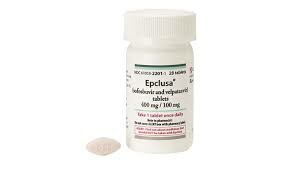
Hepatitis C viral load usually decreases rapidly during the first few weeks of taking Genisumab. Clinical studies have found that in some patients, HCV RNA levels have dropped to undetectable levels (i.e. initially turned negative) after taking the drug for 2-4 weeks. However, the virus has not been completely cleared at this time, so even if the virus cannot be detected early, a full 12-week course of treatment still needs to be completed to ensure that the virus does not recur.
For patients with decompensated cirrhosis (Child-Pugh B or C), the treatment regimen of G3 is usually combined with ribavirin, and the treatment time is still 12 weeks. In some special cases, such as patients who are at risk of becoming resistant to direct-acting antiviral drugs (DAA), or who have previously failed DAA treatment, doctors may recommend extending the treatment course to 24 weeks to improve the cure rate. However, this situation is relatively rare, and the vast majority of patients can become virologically negative within 12 weeks.
For people with hepatitis C, monitor viral load regularly (HCV RNA) is key to assessing treatment efficacy. HCV RNA testing is generally recommended before starting treatment, at 4 weeks of treatment, and at the end of treatment (week 12 or 24). In addition, HCV RNA should also be rechecked 12 weeks after drug withdrawal (SVR12 assessment point) to confirm that the virus has not rebounded. If SVR12 is still negative, it can usually be considered that hepatitis C has been completely eliminated and will not recur. Some guidelines also recommend retesting 24 weeks after discontinuation of medication (SVR24) to further confirm long-term efficacy.
Although the cure rate of Jisandai is extremely high, there are still a very small number of patients who may experience relapse of the virus after stopping the drug. The incidence of this situation is less than5%, and it is common in the following types of patients: ① Severe liver fibrosis or decompensated cirrhosis, resulting in reduced virus clearance ability; ② Poor medication compliance, missing doses midway or stopping medication early; ③ Other viral infections during medication, such as HIV or hepatitis B virus (HBV) co-infection; ④ There are rare drug-resistant mutations (such as NS5A drug-resistant mutations).
Reference: https://www.epclusa.com/
[ 免责声明 ] 本页面内容来自公开渠道(如FDA官网、Drugs官网、原研药厂官网等),仅供持有医疗专业资质的人员用于医学药学研究参考,不构成任何治疗建议或药品推荐。所涉药品可能未在中国大陆获批上市,不适用于中国境内销售和使用。如需治疗,请咨询正规医疗机构。本站不提供药品销售或代购服务。


