
.jpeg)
How many years can one live on fostatinib? How effective is it in extending patient survival?
Fostamatinib is a targeted drug that mainly exerts therapeutic effects by inhibiting tyrosine kinases. It is often used to treat immune-related diseases, such as primary immune thrombocytopenia (ITP). Although fostatinib is primarily used to treat thrombocytopenia, current research and clinical data on its effectiveness in prolonging patient survival are relatively limited. The impact of fostatinib on patient survival will be analyzed below.
Fostatinib is mainly used clinically to treat primary immune thrombocytopenia (ITP), which is a type of thrombocytopenia caused by abnormalities in the immune system. Fostatinib modulates the immune system response by inhibiting the action of Syk kinase, thereby increasing the number of platelets and reducing the risk of bleeding. Although fostatinib's improvement in platelet levels can significantly improve patients' quality of life and avoid serious bleeding events, it does not directly affect the root cause of immune diseases, so its effect on extending patient survival is not obvious.
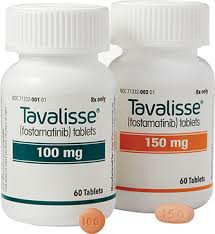
The therapeutic effect of fostatinib usually takes a period of continuous treatment to appear, and some patients can significantly increase their platelet levels after several months of treatment. However, there is no clear evidence that fostatinib significantly prolongs overall survival. Its main role is to relieve symptoms and improve patients' platelet levels without directly affecting the course of the disease or curing the disease. Therefore, the use of fostatinib is more to control the disease and improve the quality of life, rather than as a treatment to prolong survival.
Fostatinib can effectively improve the number of platelets in patients with immune thrombocytopenia and reduce complications related to low platelets, such as bleeding, which may indirectly improve the prognosis of patients. In some patients on long-term fostatinib, platelet stability is maintained, which may indirectly prolong survival in some cases, but this has not been fully demonstrated. Clinically, a patient's survival is affected by many factors, such as underlying disease, immune system status, and the presence of other complications.
Reference materials:https://www.tavalisse.com/
[ 免责声明 ] 本页面内容来自公开渠道(如FDA官网、Drugs官网、原研药厂官网等),仅供持有医疗专业资质的人员用于医学药学研究参考,不构成任何治疗建议或药品推荐。所涉药品可能未在中国大陆获批上市,不适用于中国境内销售和使用。如需治疗,请咨询正规医疗机构。本站不提供药品销售或代购服务。


