
.jpeg)
What are the indications for sorafenib? What types of cancer treatments is it suitable for?
Sorafenib is a multi-target small molecule targeted drug that mainly exerts anti-cancer effects by inhibiting the activity of multiple receptor tyrosine kinases. It is primarily used to treat several different types of cancer, including liver, kidney, and thyroid cancer. By acting on multiple signaling pathways of cancer cells, sorafenib can effectively inhibit tumor growth and metastasis, prolong patients' survival and improve their quality of life.
1. Hepatocellular carcinoma (HCC): Sorafenib is most commonly used to treat hepatocellular carcinoma, especially in patients with unresectable advanced liver cancer. Liver cancer is one of the leading causes of cancer-related death worldwide, and sorafenib, as the first approved targeted drug, has become an important drug for the treatment of advanced liver cancer. Sorafenib significantly delays the progression of liver cancer by inhibiting angiogenesis, reducing signaling for tumor growth, and inducing apoptosis of tumor cells. Studies have shown that sorafenib can prolong the survival of liver cancer patients, especially in patients with advanced liver cancer, providing an effective treatment option.
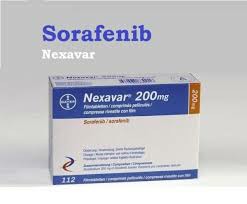
2. Renal cell carcinoma (RCC): Sorafenib is also approved to treat metastatic renal cell carcinoma, the most common type of cancer of the kidney. For some patients with advanced or unresectable renal cell carcinoma, sorafenib can play an anti-cancer effect by inhibiting tumor angiogenesis and inhibiting tumor cell proliferation. The effect of sorafenib in the treatment of metastatic renal cancer has also been verified. Clinical studies have shown that it can significantly extend the progression-free survival (PFS) and overall survival (OS) of patients. In addition, sorafenib has also achieved some efficacy when combined with other targeted drugs, further expanding its therapeutic scope.
3. Thyroid cancer (TC): Sorafenib is also used in the treatment of advanced thyroid cancer, especially for some patients with unresectable differentiated thyroid cancer (such as dedifferentiated thyroid cancer). Patients with advanced thyroid cancer are usually insensitive to radiotherapy and chemotherapy, and sorafenib can delay disease progression by inhibiting tumor angiogenesis and cell proliferation. Clinical studies have shown that sorafenib can effectively improve the survival and quality of life of such patients, especially when patients with thyroid cancer have strong drug resistance, providing a feasible treatment option.
Reference materials:https://www.nexavar.com/
[ 免责声明 ] 本页面内容来自公开渠道(如FDA官网、Drugs官网、原研药厂官网等),仅供持有医疗专业资质的人员用于医学药学研究参考,不构成任何治疗建议或药品推荐。所涉药品可能未在中国大陆获批上市,不适用于中国境内销售和使用。如需治疗,请咨询正规医疗机构。本站不提供药品销售或代购服务。


