
.jpeg)
How effective is Fezonaitan? How effective is it in clinical use?
Fezolinetant is a selective neurokinin 3 (NK3) receptor antagonist, mainly used to treat menopausal-related vasomotor symptoms (VMS), such as hot flashes and night sweats. These symptoms are caused by the imbalance of the temperature regulation center function of the hypothalamus after the level of estrogen decreases. By inhibiting the NK3 receptor, Fazonatant can improve this regulatory process, thereby effectively alleviating uncomfortable symptoms such as hot flashes.
Efficacy performance in clinical trials
Fezonatant has shown good therapeutic effects in multiple randomized, double-blind, placebo-controlled clinical trials. The most representative are SKYLIGHT 1 and SKYLIGHT 2 two 3 phase clinical trials. These studies compared the effect of fezonatant with placebo in relieving menopausal hot flashes. The results of the study showed that the frequency and severity of hot flashes were significantly reduced in patients treated with fezonatant at 4 weeks and 12 weeks, and this effect persisted after long-term use (more than 1 year), demonstrating good tolerability and safety.
Compared with traditional hormone replacement therapy (HRT), as a non-hormonal drug, filazonatant can avoid estrogen-related side effects, such as increased risk of breast cancer and blood clots, thus providing a new option for patients who are not suitable or unwilling to receive hormone therapy.
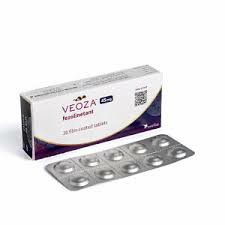
Observation of efficacy in clinical use
In practical applications, fezonatant has a faster onset of action. Most patients can feel the relief of hot flash symptoms within 1-2 weeks, and achieve significant improvement in about 4 weeks. Additionally, filazonatant not only reduces the frequency and intensity of hot flashes, but also improves sleep quality, reduces night sweats, and improves quality of life. Many patients who undergo treatment report fewer nighttime awakenings and better energy recovery during the day, resulting in increased productivity in daily life and work.
In addition, studies have found that filazonatant may also be helpful for menopausal-related symptoms such as anxiety, mood swings, and mild cognitive decline. Although its main target is VMS, some patients have improved emotional stability and reduced anxiety after treatment, which may be related to its role in regulating hypothalamic function.
Individual differences in efficacy and long-term use effects
Although filazonatant shows good efficacy in most patients, individual differences still exist. Some patients respond more slowly to the drug, or are less effective than expected. This may be related to individual differences in neurotransmitter systems, drug metabolism capabilities, and the severity of VMS. Therefore, when using fezonatant, doctors usually recommend that patients insist on using it for at least 4-8 weeks to observe the effect.
In terms of long-term use, current research data shows that the efficacy of fizonetant can last for at least one year, has fewer adverse reactions, and is well tolerated by most patients. Compared with traditional hormone replacement therapy, filzonaitant does not have a significant increase in the risk of cancer or cardiovascular disease, so it has certain advantages in terms of safety.
Overall, fizonatant has shown good efficacy in clinical applications, can effectively reduce the frequency and severity of menopausal hot flashes, and brings additional benefits in improving sleep quality, emotional stability, etc. Because of its non-hormonal nature, it is particularly suitable for women who are unwilling or unsuitable for hormone replacement therapy. However, due to individual differences, patients should closely observe their own reactions during use and adjust the treatment plan under the guidance of a doctor to obtain the best treatment effect.
Reference materials:https://www.veozah.com/
[ 免责声明 ] 本页面内容来自公开渠道(如FDA官网、Drugs官网、原研药厂官网等),仅供持有医疗专业资质的人员用于医学药学研究参考,不构成任何治疗建议或药品推荐。所涉药品可能未在中国大陆获批上市,不适用于中国境内销售和使用。如需治疗,请咨询正规医疗机构。本站不提供药品销售或代购服务。


