
.jpeg)
What happens if I stop taking lenvatinib? Will any adverse reactions occur or affect the therapeutic effect when stopping the medication?
Lenvatinib (Lenvatinib) is a multi-target tyrosine kinase inhibitor (TKI), mainly used to treat malignant tumors such as hepatocellular carcinoma, differentiated thyroid cancer and renal cell carcinoma. During treatment, patients may consider discontinuing medication due to stable disease control, worsening of adverse reactions, or other recommendations from their doctors. However, discontinuation of medication may have a range of effects that need to be assessed carefully.
First, discontinuation of medication may lead to disease relapse or progression. Lenvatinib can delay disease progression by inhibiting tumor angiogenesis and tumor cell growth. Once the drug is stopped, the tumor may regain growth momentum, leading to accelerated progression of the disease and even more severe symptoms. Therefore, it is not recommended that patients stop taking medications without clear guidance from their doctor, especially when the tumor is still under control.
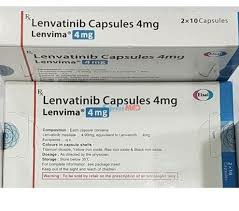
Some patients may experience adverse reactions or withdrawal effects after stopping the drug. Although lenvatinib itself is not a hormonal drug, its long-term inhibitory effect on vascular endothelial growth factor (VEGF) and other signaling pathways may lead to changes in vascular regulatory function. After stopping the drug, some patients may experience blood pressure fluctuations, increased fatigue, and even temporary aggravation of some symptoms. In addition, if the patient experiences obvious adverse reactions during treatment (such as severe hypertension, proteinuria, or abnormal liver function), it is usually necessary to gradually reduce the dose under the guidance of a doctor instead of suddenly stopping the drug to avoid the body's maladaptive reaction.
If it is indeed necessary to discontinue medication, monitoring and adjustments should be made under the guidance of a doctor. For some patients, doctors may recommend a gradual reduction in dosage to allow the body to gradually adjust to the reduction in medication, rather than abruptly discontinuing treatment. At the same time, regular reexamination is required after stopping the drug to monitor tumor changes to determine whether it is necessary to change to other treatment options or re-use lenvatinib. Therefore, when patients are considering discontinuing medication, they should communicate with their doctors in a timely manner to avoid incorrect discontinuation methods that may affect the treatment effect.
Reference materials:https://www.lenvima.com/
[ 免责声明 ] 本页面内容来自公开渠道(如FDA官网、Drugs官网、原研药厂官网等),仅供持有医疗专业资质的人员用于医学药学研究参考,不构成任何治疗建议或药品推荐。所涉药品可能未在中国大陆获批上市,不适用于中国境内销售和使用。如需治疗,请咨询正规医疗机构。本站不提供药品销售或代购服务。


