
.jpeg)
What are the possible harms of sorafenib? How can patients avoid and monitor these risks?
Sorafenib is an oral multi-target tyrosine kinase inhibitor commonly used to treat malignant tumors such as liver cancer, kidney cancer and thyroid cancer. Although sorafenib has significant anti-tumor effects in clinical practice, it may also bring some potential harms, especially when used for a long time. Therefore, patients need to understand the possible risks and take appropriate preventive and monitoring measures during treatment with sorafenib.
Common side effects of sorafenib include high blood pressure, diarrhea, rash, fatigue, etc., especially in the early stages of treatment. Although most of these side effects are reversible, if not managed, they can affect the patient's quality of life. One of the most serious harms is hypertension. By inhibiting VEGF and other targets, sorafenib may cause vasoconstriction, thereby increasing blood pressure. Patients should monitor their blood pressure regularly and take timely drug intervention when their blood pressure rises to avoid cardiovascular problems.
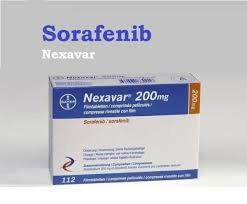
Sorafenib may cause liver damage, which is a side effect of particular concern. Although sorafenib itself is used to treat liver cancer, it may also cause patients to develop abnormal liver function, such as elevated liver enzymes, jaundice, liver failure, etc. To avoid this risk, patients need to have regular liver function tests, especially early in treatment and during long-term use. If abnormal liver function is found, the doctor may adjust the dose of the drug or temporarily stop the drug to ensure that the liver has sufficient time to recover.
In addition to liver and blood pressure monitoring, patients also need to be concerned about possible bleeding risks. Sorafenib may cause a bleeding tendency, particularly in patients with tumor vasodilation. Severe bleeding symptoms may include blood in the stool, vomiting blood, subcutaneous bleeding, etc. Patients should pay special attention to any signs of bleeding while taking sorafenib and seek prompt medical attention. To reduce the risk of bleeding, patients should avoid strenuous exercise and injuries while regularly monitoring platelet counts and coagulation function.
Reference materials:https://www.nexavar.com/
[ 免责声明 ] 本页面内容来自公开渠道(如FDA官网、Drugs官网、原研药厂官网等),仅供持有医疗专业资质的人员用于医学药学研究参考,不构成任何治疗建议或药品推荐。所涉药品可能未在中国大陆获批上市,不适用于中国境内销售和使用。如需治疗,请咨询正规医疗机构。本站不提供药品销售或代购服务。


