
.jpeg)
Obeticholic Acid Dosage and Usage Guidelines: How to take it correctly according to your doctor’s recommendations
Obeticholic acid is a flavonoid drug mainly used to treat patients with primary biliary cholangitis (PBC) and non-alcoholic fatty liver disease (NAFLD) accompanied by liver fibrosis. It regulates the synthesis and metabolism of bile acids by activating the farnesoid X receptor (FXR), thereby improving liver function, reducing cholestasis, and slowing down the process of liver fibrosis. Obeticholic acid has been shown to significantly improve the prognosis of these patients in clinical applications, but the correct medication method is crucial to the therapeutic effect.
Recommended dosage and usage
The recommended starting dose is 5 mg once a day for 3 months; after 3 months, for patients whose serum alkaline phosphatase (ALP) and/or total bilirubin have not dropped to normal values and who are resistant to obeticholic acid, the dose can be increased to the maximum daily dose of 10 mg. For some patients who require long-term management, dosage adjustments are often needed to achieve the best therapeutic effect.
Although obeticholic acid is widely used to treat PBC and NAFLD, patients still need to make dosage adjustments according to their doctor's recommendations during treatment. In the early stages of treatment, doctors will evaluate based on changes in liver function, drug tolerance and adverse reactions. If a patient experiences severe side effects, or if liver function worsens, the drug may need to be temporarily discontinued or the dose reduced. For patients with poor liver function, especially those with cirrhosis or liver failure, the initial dose should be lower and should be monitored closely under the guidance of a physician.
During the use of obeticholic acid, doctors will also regularly monitor the patient's liver function indicators, including ALT, AST, total bilirubin and other indicators, to evaluate the efficacy and safety of the drug. If liver function abnormalities worsen or other adverse reactions occur, the doctor may adjust the medication regimen or replace other drugs. If patients have any discomfort or concerns during treatment, they should inform the doctor in time and avoid adjusting the drug dosage or stopping the drug on their own.
Common side effects and how to deal with them
Although obeticholic acid is an effective medication, it may cause some adverse effects. The most common side effects include diarrhea, fatigue, elevated liver enzymes, headache, and rash. When mild side effects occur, patients should communicate with their doctor in time. Dosage adjustments or temporary discontinuation may be required to observe changes in symptoms. For gastrointestinal symptoms such as diarrhea, patients can alleviate them by adjusting their diet or taking symptomatic drugs. If the liver enzymes increase significantly, liver function monitoring needs to be carried out under the guidance of a doctor and a decision should be made whether to continue use or adjust the dose.
It should be noted that pregnant and breastfeeding women should avoid the use of obeticholic acid because of possible adverse effects on the fetus and infant. During treatment, female patients should use reliable contraceptive methods to avoid pregnancy. Obeticholic acid should be used with extreme caution in patients with severe liver disease and must be done under the close supervision of a physician to ensure the safety of the treatment.
Obeticholic acid is an important therapeutic drug widely used to treat liver diseases such as PBC and NAFLD. Patients should strictly follow the doctor's dosage and usage, and conduct regular liver function monitoring to ensure the effectiveness and safety of the drug. Patients should also pay attention to the occurrence of adverse reactions and communicate with their doctors in a timely manner to adjust their medication regimen. During the treatment process, the doctor will conduct individualized management according to the patient's specific situation to achieve the best treatment effect.
Reference: https://en.wikipedia.org/wiki/Obeticholic_acid
Recommended dosage and usage
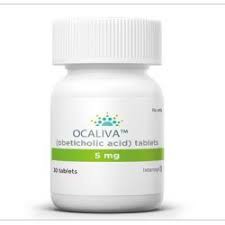
The recommended starting dose is 5 mg once a day for 3 months; after 3 months, for patients whose serum alkaline phosphatase (ALP) and/or total bilirubin have not dropped to normal values and who are resistant to obeticholic acid, the dose can be increased to the maximum daily dose of 10 mg. For some patients who require long-term management, dosage adjustments are often needed to achieve the best therapeutic effect.
This medication must be taken by mouth, preferably with food, as food can aid absorption of the medication and reduce gastrointestinal discomfort. In addition, it is best to take obeticholic acid at a fixed time, such as every morning or evening, so that patients can develop a regular medication habit and ensure stable blood concentration of the drug. If a dose is missed, the patient should take it as soon as possible, skip the missed dose if it is close to the next dose, and avoid taking two doses at the same time.
Although obeticholic acid is widely used to treat PBC and NAFLD, patients still need to make dosage adjustments according to their doctor's recommendations during treatment. In the early stages of treatment, doctors will evaluate based on changes in liver function, drug tolerance and adverse reactions. If a patient experiences severe side effects, or if liver function worsens, the drug may need to be temporarily discontinued or the dose reduced. For patients with poor liver function, especially those with cirrhosis or liver failure, the initial dose should be lower and should be monitored closely under the guidance of a physician.
During the use of obeticholic acid, doctors will also regularly monitor the patient's liver function indicators, including ALT, AST, total bilirubin and other indicators, to evaluate the efficacy and safety of the drug. If liver function abnormalities worsen or other adverse reactions occur, the doctor may adjust the medication regimen or replace other drugs. If patients have any discomfort or concerns during treatment, they should inform the doctor in time and avoid adjusting the drug dosage or stopping the drug on their own.
Common side effects and how to deal with them
Although obeticholic acid is an effective medication, it may cause some adverse effects. The most common side effects include diarrhea, fatigue, elevated liver enzymes, headache, and rash. When mild side effects occur, patients should communicate with their doctor in time. Dosage adjustments or temporary discontinuation may be required to observe changes in symptoms. For gastrointestinal symptoms such as diarrhea, patients can alleviate them by adjusting their diet or taking symptomatic drugs. If the liver enzymes increase significantly, liver function monitoring needs to be carried out under the guidance of a doctor and a decision should be made whether to continue use or adjust the dose.
It should be noted that pregnant and breastfeeding women should avoid the use of obeticholic acid because of possible adverse effects on the fetus and infant. During treatment, female patients should use reliable contraceptive methods to avoid pregnancy. Obeticholic acid should be used with extreme caution in patients with severe liver disease and must be done under the close supervision of a physician to ensure the safety of the treatment.
Obeticholic acid is an important therapeutic drug widely used to treat liver diseases such as PBC and NAFLD. Patients should strictly follow the doctor's dosage and usage, and conduct regular liver function monitoring to ensure the effectiveness and safety of the drug. Patients should also pay attention to the occurrence of adverse reactions and communicate with their doctors in a timely manner to adjust their medication regimen. During the treatment process, the doctor will conduct individualized management according to the patient's specific situation to achieve the best treatment effect.
Reference: https://en.wikipedia.org/wiki/Obeticholic_acid
[ 免责声明 ] 本页面内容来自公开渠道(如FDA官网、Drugs官网、原研药厂官网等),仅供持有医疗专业资质的人员用于医学药学研究参考,不构成任何治疗建议或药品推荐。所涉药品可能未在中国大陆获批上市,不适用于中国境内销售和使用。如需治疗,请咨询正规医疗机构。本站不提供药品销售或代购服务。


