
.jpeg)
What are the side effects of sorafenib? How to deal with and reduce discomfort caused by side effects?
Sorafenib is a multi-target tyrosine kinase inhibitor mainly used to treat advanced hepatocellular carcinoma (HCC), advanced renal cell carcinoma (RCC) and differentiated thyroid cancer (DTC). Although it can effectively inhibit tumor growth and angiogenesis, it may also cause a series of side effects and affect the patient's quality of life. Understanding these side effects and acting accordingly can help patients better tolerate treatment.
Common side effects of sorafenib
1. Skin toxicity: One of the most common adverse reactions of sorafenib is hand-foot skin reaction (HFSR), which manifests as redness, swelling, peeling, pain and even ulcers on the skin of the palms and soles. Additionally, patients may experience skin problems such as rash, itching, and dryness.
2. Adverse reactions of the digestive system: Sorafenib may cause symptoms such as diarrhea, nausea, vomiting, loss of appetite, stomatitis, and abdominal pain. In severe cases, it may lead to weight loss and malnutrition.
3. Hypertension: Some patients may experience increased blood pressure after taking sorafenib, especially in the first few weeks of treatment. Therefore, regular monitoring of blood pressure is crucial.
4. Fatigue and weakness: Many patients will feel a decrease in energy and get tired easily during treatment, which affects daily activities.
5. Bleeding risk: Because sorafenib affects angiogenesis, it may cause nose bleeding, gum bleeding, and even gastrointestinal bleeding.
1.Skin toxicity management:
Preventive measures include keeping the skin on your hands and feet moist, using a mild moisturizer, and avoiding friction and prolonged walking.
If pain occurs, analgesics such as acetaminophen or topical anti-inflammatory ointments (such as corticosteroids) may be used.
For severe skin adverse reactions, your doctor may adjust the sorafenib dose or discontinue the drug for a short period of time.
2. Relief of digestive system discomfort:
Mild diarrhea can be relieved by adjusting your diet (avoiding greasy and irritating foods) and replenishing water. In severe cases, you can take antidiarrheal drugs (such as loperamide).
Stomatitis can be reduced by using a mild mouthwash (such as saline or club soda) and avoiding spicy foods.
Patients with reduced appetite can eat small meals frequently and choose high-protein, high-calorie foods to maintain nutritional status.
3. Management of hypertension:
Baseline blood pressure should be monitored before treatment is initiated and blood pressure should be measured periodically during treatment.
Mild hypertension can be controlled through a low-salt diet and regular exercise. Severe cases may require antihypertensive drugs (such as ACE inhibitors or calcium channel blockers), but you should consult a doctor before taking drugs.
4. Relieve fatigue and weakness:
Take appropriate rest and adjust your work schedule to avoid overexertion.
Maintain a balanced diet and eat more foods rich in vitamin B and protein.
Moderate exercise, such as walking or yoga, can help increase physical strength and improve mood.
5. Prevent the risk of bleeding:
Avoid using drugs that affect coagulation, such as aspirin or other anticoagulants (such as warfarin), unless specifically recommended by your doctor.
Pay attention to oral care and avoid using hard-bristled toothbrushes to reduce the risk of gum bleeding.
If you find abnormal bleeding, such as melena or hematuria, you should seek medical attention immediately.
6. Thyroid function monitoring:
Patients who use sorafenib for a long time should have their thyroid function checked regularly. If abnormalities are found, the doctor may adjust the treatment plan or supplement thyroid hormone.
Although sorafenib has good anti-tumor effects, it may also cause a variety of side effects that affect patients' quality of life. Therefore, during treatment, patients should pay close attention to their physical changes, conduct relevant examinations regularly, and take appropriate measures to relieve discomfort under the guidance of a doctor. If the side effects are severe, you should not stop taking the medication on your own, but should communicate with your doctor in time to adjust the treatment plan, improve tolerance, and ensure maximum efficacy.
Reference: https://www.nexavar.com/
Common side effects of sorafenib
1. Skin toxicity: One of the most common adverse reactions of sorafenib is hand-foot skin reaction (HFSR), which manifests as redness, swelling, peeling, pain and even ulcers on the skin of the palms and soles. Additionally, patients may experience skin problems such as rash, itching, and dryness.
2. Adverse reactions of the digestive system: Sorafenib may cause symptoms such as diarrhea, nausea, vomiting, loss of appetite, stomatitis, and abdominal pain. In severe cases, it may lead to weight loss and malnutrition.
3. Hypertension: Some patients may experience increased blood pressure after taking sorafenib, especially in the first few weeks of treatment. Therefore, regular monitoring of blood pressure is crucial.
4. Fatigue and weakness: Many patients will feel a decrease in energy and get tired easily during treatment, which affects daily activities.
5. Bleeding risk: Because sorafenib affects angiogenesis, it may cause nose bleeding, gum bleeding, and even gastrointestinal bleeding.
6. Abnormal thyroid function: Taking sorafenib may affect thyroid hormone levels, leading to hypothyroidism or hyperthyroidism, and thyroid function needs to be checked regularly.
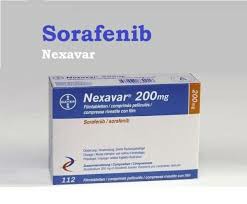
1.Skin toxicity management:
Preventive measures include keeping the skin on your hands and feet moist, using a mild moisturizer, and avoiding friction and prolonged walking.
If pain occurs, analgesics such as acetaminophen or topical anti-inflammatory ointments (such as corticosteroids) may be used.
For severe skin adverse reactions, your doctor may adjust the sorafenib dose or discontinue the drug for a short period of time.
2. Relief of digestive system discomfort:
Mild diarrhea can be relieved by adjusting your diet (avoiding greasy and irritating foods) and replenishing water. In severe cases, you can take antidiarrheal drugs (such as loperamide).
Stomatitis can be reduced by using a mild mouthwash (such as saline or club soda) and avoiding spicy foods.
Patients with reduced appetite can eat small meals frequently and choose high-protein, high-calorie foods to maintain nutritional status.
3. Management of hypertension:
Baseline blood pressure should be monitored before treatment is initiated and blood pressure should be measured periodically during treatment.
Mild hypertension can be controlled through a low-salt diet and regular exercise. Severe cases may require antihypertensive drugs (such as ACE inhibitors or calcium channel blockers), but you should consult a doctor before taking drugs.
4. Relieve fatigue and weakness:
Take appropriate rest and adjust your work schedule to avoid overexertion.
Maintain a balanced diet and eat more foods rich in vitamin B and protein.
Moderate exercise, such as walking or yoga, can help increase physical strength and improve mood.
5. Prevent the risk of bleeding:
Avoid using drugs that affect coagulation, such as aspirin or other anticoagulants (such as warfarin), unless specifically recommended by your doctor.
Pay attention to oral care and avoid using hard-bristled toothbrushes to reduce the risk of gum bleeding.
If you find abnormal bleeding, such as melena or hematuria, you should seek medical attention immediately.
6. Thyroid function monitoring:
Patients who use sorafenib for a long time should have their thyroid function checked regularly. If abnormalities are found, the doctor may adjust the treatment plan or supplement thyroid hormone.
Although sorafenib has good anti-tumor effects, it may also cause a variety of side effects that affect patients' quality of life. Therefore, during treatment, patients should pay close attention to their physical changes, conduct relevant examinations regularly, and take appropriate measures to relieve discomfort under the guidance of a doctor. If the side effects are severe, you should not stop taking the medication on your own, but should communicate with your doctor in time to adjust the treatment plan, improve tolerance, and ensure maximum efficacy.
Reference: https://www.nexavar.com/
[ 免责声明 ] 本页面内容来自公开渠道(如FDA官网、Drugs官网、原研药厂官网等),仅供持有医疗专业资质的人员用于医学药学研究参考,不构成任何治疗建议或药品推荐。所涉药品可能未在中国大陆获批上市,不适用于中国境内销售和使用。如需治疗,请咨询正规医疗机构。本站不提供药品销售或代购服务。


