
.jpeg)
A Practical Guide to Precautions for Lenmeldy (atidarsagene autotemcel)
Lenmeldy (atidarsagene autotemcel) is an innovative treatment for a specific type of childhood metachromatic leukodystrophy (MLD). This rare disease is caused by biallelic mutations in the arylsulfatase A (ARSA) gene, resulting in reduced ARSA enzyme activity. It mainly affects children with late infantile or early adolescent forms (presymptomatic) and early adolescent forms (symptomatic and able to walk independently before cognitive decline). Parents and doctors should pay close attention to the following precautions when using Lenmeldy.
Thrombus and thromboembolic events are among the potential risks; therefore, thrombotic risk factors need to be fully assessed before and after infusion, and antithrombotic prophylaxis should be considered before stem cell infusion. After treatment, children should be closely monitored for signs or symptoms of encephalitis and for serious illness. At the same time, we should be alert to the occurrence of hepatic veno-occlusive disease (VOD), monitor related signs and symptoms, including liver function tests in all patients within the first month after treatment, and consider taking preventive measures. In addition, attention needs to be paid to the risk of delayed platelet engraftment, neutrophil engraftment failure, as well as the risk of insertional carcinogenesis and the risk of hypersensitivity reactions, ensuring that the absolute neutrophil count (ANC) is monitored after infusion and rescue cells are used when necessary.
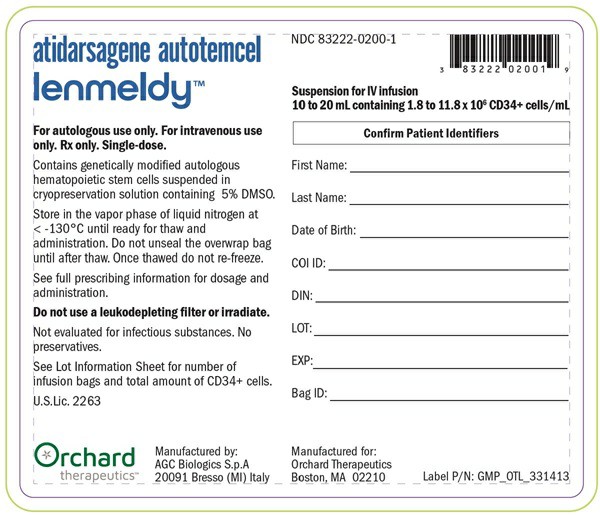
It is important to note that the use of antiretroviral drugs may interfere with the production of Lenmeldy. Therefore, children should not take preventive HIV antiretroviral drugs for at least one month before mobilization or for the time expected to eliminate the drug. If a child needs this medication to prevent HIV, treatment with Lenmeldy should be delayed until a negative HIV test is confirmed. In addition, children treated with Lenmeldy may test falsely positive for HIV by polymerase chain reaction (PCR) due to LVV proviral insertion, so PCR-based testing should not be used to screen for HIV infection.
Before giving Lenmeldy to your childDoctors will conduct a comprehensive examination, including assessing the condition of your child's lungs, heart, kidneys, liver and blood pressure, looking for signs of infection and ensuring that any infection is properly treated. At the same time, the child will also be checked for infection with hepatitis B, hepatitis C, human T-cell lymphotropic virus (HTLV), cytomegalovirus (CMV), HIV or mycoplasma and other pathogens. In addition, the doctor will also know whether the child has been vaccinated in the past 6 weeks or whether he plans to be vaccinated in the next few months, so that the treatment time can be reasonably arranged.
Lenmeldy is unique in that it is made from the child's own stem cells and should therefore only be given to the appropriate child. This personalized treatment approach not only improves the safety of treatment, but also increases the likelihood of successful treatment. However, this also requires doctors to conduct more precise and comprehensive assessments before treatment to ensure that Lenmeldy can achieve the maximum therapeutic effect.
In summary,Lenmeldy provides a new treatment option for children with certain types of MLD, but its treatment process requires parents and doctors to work closely together to deal with possible risks and challenges. Through comprehensive pre-treatment preparation and personalized treatment plans, we hope to bring better treatment effects and quality of life to these children.
Reference link:https://www.drugs.com/lenmeldy.html
[ 免责声明 ] 本页面内容来自公开渠道(如FDA官网、Drugs官网、原研药厂官网等),仅供持有医疗专业资质的人员用于医学药学研究参考,不构成任何治疗建议或药品推荐。所涉药品可能未在中国大陆获批上市,不适用于中国境内销售和使用。如需治疗,请咨询正规医疗机构。本站不提供药品销售或代购服务。


