
.jpeg)
Common side effects and coping strategies of belatacept
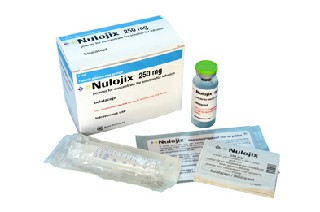
Belatacept(Belatacept) is a new immunosuppressant produced by Bristol-Myers Squibb. It is used to prevent organ rejection in adult kidney transplant recipients and is used in combination with a variety of drugs (basiliximab inducer, mycophenolate mofetil, and corticosteroids) to increase the success rate of kidney transplantation and improve the patient's quality of life. However, as a powerful prescription drug, the use of belatacept may also bring about a series of side effects, which requires the attention of both patients and doctors.
Common side effects of belatacept may include hyperkalemia or hypokalemia, increased blood pressure, digestive complaints such as nausea, vomiting, diarrhea, and constipation, as well as general symptoms such as headache, fever, and cough. In addition, some patients may develop urinary system problems such as kidney or cystitis, or swelling of the legs and feet. If you develop symptoms of an allergic reaction such as hives, difficulty breathing, swelling of the face, lips, tongue, or throat, seek medical attention immediately.
Belatacept also affects a patient's immune system and may cause certain white blood cells to grow out of control. Therefore, patients should pay close attention to physical changes during use. If they have fever, swollen glands, flu symptoms, night sweats, or stomach pain, vomiting, diarrhea, weight loss, etc., they should call their doctor immediately. At the same time, symptoms such as weakness on one side of the body, decreased vision, difficulty speaking or walking, as well as memory problems and changes in mental status may also be symptoms of belatacept side effects.
In addition to the side effects listed above, belatacept may cause blood and electrolyte problems such as low red blood cells, high potassium, or hypokalemia. Anemia may cause symptoms such as pale skin, unusual tiredness, dizziness, shortness of breath, and cold hands and feet. Hyperkalemia may cause nausea, fatigue, tingling, chest pain, irregular heartbeat, and difficulty moving. Hypokalemia may cause leg cramps, constipation, irregular heartbeat, chest tremors, thirst, increased urination, numbness or tingling, and muscle weakness or lameness.
In conclusion, belatacept is of great significance in preventing renal transplant rejection, but its side effects cannot be ignored. Patients should strictly follow medical advice during use and regularly monitor their physical condition. If they have any discomfort or abnormal symptoms, they should seek medical treatment or contact a doctor immediately.
Reference materials:https://www.drugs.com/search.php?searchterm=Nulojix&sources%5B%5D=professional
[ 免责声明 ] 本页面内容来自公开渠道(如FDA官网、Drugs官网、原研药厂官网等),仅供持有医疗专业资质的人员用于医学药学研究参考,不构成任何治疗建议或药品推荐。所涉药品可能未在中国大陆获批上市,不适用于中国境内销售和使用。如需治疗,请咨询正规医疗机构。本站不提供药品销售或代购服务。


