
.jpeg)
FDA approves Lenmeldy (atidarsagene autotemcel), the first MLD gene therapy, bringing new hope to children with rare diseases
On March 18, 2024, a major decision by the U.S. Food and Drug Administration (FDA) brought unprecedented hope to children with metachromatic leukodystrophy (MLD) - the first gene therapy for MLD, Lenmeldy (atidarsagene autotemcel), was officially approved. This milestone progress not only marks another breakthrough in gene therapy in the field of rare disease treatment, but also lights up the dawn of life for children and their families who suffer from MLD.
Metachromatic leukodystrophy, as a rare genetic disease affecting the brain and nervous system,MLD is caused by a deficiency of arylsulfatase A (ARSA), resulting in abnormal accumulation of sulfatides in cells, thereby causing irreversible damage to the central and peripheral nervous systems. Patients often face the tragedy of gradual loss of motor and cognitive functions, and even early death. MLD is estimated to affect 1 in 40,000 people in the United States, and until then, there was almost no cure for the disease, with treatment limited to supportive care and symptom management.
The emergence of Lenmeldy completely changed this dilemma. As an innovative gene therapy, it uses the patient's own hematopoietic stem cells (HSCs) to be genetically modified to contain a functional copy of the ARSA gene. These modified stem cells are re-implanted into the patient's body, take root and grow in the bone marrow, and provide the body with a continuous supply of myeloid cells capable of producing the ARSA enzyme. These cells act like precise "cleaners", constantly breaking down harmful sulfur lipid accumulation, which may prevent further deterioration of MLD.
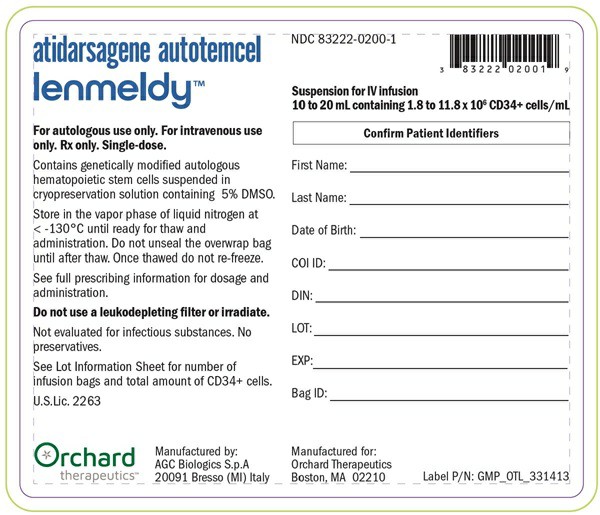
Although Lenmeldy's treatment process is complex and full of challenges, every step embodies the wisdom and sweat of scientific researchers. Before treatment, patients must undergo high-dose chemotherapy to clear the bone marrow of original cells and make room for the modified cells to implant. Although this process is painful, it is precisely to ensure that Lenmeldy can exert its maximum therapeutic effect. The safety and effectiveness of Lenmeldy have also been verified through rigorous clinical trials. In two single-arm open-label clinical trials and an expanded access program, 37 children treated with Lenmeldy demonstrated impressive therapeutic effects. Compared with children who did not receive treatment, their risk of severe movement disorders or death was significantly reduced, and their quality of life was greatly improved.
Specifically, all children with asymptomatic late infantile MLD who received Lenmeldy were alive at age 6, compared with 58% of children in the natural history group. At age 5, 71% of treated children were able to walk independently, and 85% had normal language and performance IQ scores. Behind these numbers are the renewed hopes and smiles of countless families.
However,Lenmeldy can also produce some side effects, such as fever, low white blood cell count, mouth ulcers, etc., and may be related to serious complications such as thrombosis or encephalitis. In addition, although no cases of leukemia caused by Lenmeldy have been found, patients still need to monitor the risk of hematological malignancies throughout their lives. These potential risks and challenges remind us that while celebrating victory, we must also maintain a clear head and a cautious attitude.
Nonetheless,The approval of Lenmeldy is undoubtedly a big step in the field of MLD treatment. It not only provides new treatment options for children, but also inspires people's imagination about the unlimited potential of gene therapy. With the continuous advancement of science and technology and the accumulation of clinical experience, we have reason to believe that more innovative treatments like Lenmeldy will emerge in the future, bringing more hope and possibilities to patients with rare diseases. Let us look forward to that day together, and let the miracle of life shine brighter under the light of science.
Reference link:https://www.prnewswire.com/news-releases/fda-approves-first-gene-therapy-for-children-with-metachromatic-leukodystrophy-302091811.html
[ 免责声明 ] 本页面内容来自公开渠道(如FDA官网、Drugs官网、原研药厂官网等),仅供持有医疗专业资质的人员用于医学药学研究参考,不构成任何治疗建议或药品推荐。所涉药品可能未在中国大陆获批上市,不适用于中国境内销售和使用。如需治疗,请咨询正规医疗机构。本站不提供药品销售或代购服务。


