
.jpeg)
When using belatacept, what are the key details and potential risks that we need to fully understand
Belataceptis a drug called a selectiveT cell costimulation blocker. This drug helps prevent organ rejection after a kidney transplant. Without immunosuppression, the body will reject the transplanted organ. Belatacept, along with other immunosuppressants, keeps new kidneys working by preventing rejection. However, like all medical drugs, the use of belatacept comes with a series of important details and potential risks that require careful attention and understanding by both patients and doctors.
First, if you have an allergic reaction to belatacept or you have never been exposed to Epstein-Barr virus beforeTreatment with belatacept would not be appropriate.
Second, when discussing treatment options with your doctor, you should fully understand the various risks and potential benefits that this drug may bring. Belatacept regulates the immune system and may sometimes cause an abnormal increase in certain white blood cells, thereby increasing the risk of cancer, and may even induce severe brain infections that can cause disability or be life-threatening. At the same time, viral infection is also a risk point that must be highly vigilant when using belatacept, because it may cause kidney transplant failure.
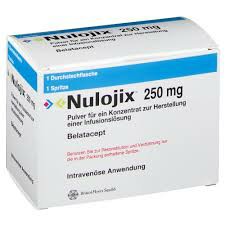
Before starting treatment with belatacept, you must tell your doctor in detail your medical history, including whether you have had a liver transplant, whether you have been infected with cytomegalovirus (CMV), and whether you are scheduled to receive any type of vaccine. This information is crucial for your doctor to develop a personalized treatment plan for you.
Additionally, there is a lack of firm data on the effects of belatacept on the unborn baby. Therefore, if you are pregnant or planning to become pregnant, be sure to inform your doctor in time so that the doctor can fully assess the risks and provide you with professional advice. Also, you should avoid breastfeeding while taking belatacept, as the drug may be passed to the baby through breast milk.
In addition, you will need to provide your doctor with a list of all medications you are currently taking, including prescription drugs, over-the-counter medications, vitamins, and herbal products. Some drugs may interact with belatacept, affecting the effectiveness of treatment.
Of note, belatacept use may also increase the risk of skin cancer. Therefore, during use, you should try to avoid prolonged exposure to the sun or use of tanning beds, and always wear protective clothing and use sunscreen when outdoors.
Finally, you should avoid receiving“live” vaccines while taking belatacept because the vaccine may not be as protective as it should be during this time, leaving you with no complete protection against the disease.
In short, during the use of belatacept, we need to fully understand its potential risks and precautions, maintain close communication with doctors, and jointly develop a treatment plan that suits the individual situation to ensure the safety and effectiveness of the treatment.
Reference materials:https://www.drugs.com/search.php?searchterm=Nulojix&sources%5B%5D=professional
[ 免责声明 ] 本页面内容来自公开渠道(如FDA官网、Drugs官网、原研药厂官网等),仅供持有医疗专业资质的人员用于医学药学研究参考,不构成任何治疗建议或药品推荐。所涉药品可能未在中国大陆获批上市,不适用于中国境内销售和使用。如需治疗,请咨询正规医疗机构。本站不提供药品销售或代购服务。


