
.jpeg)
The efficacy and role of Jisandai/Bingtonsha: Why is it the drug of choice for the treatment of hepatitis C?
Epclusa is an oral antiviral drug developed by Gilead Sciences. It is mainly used to treat hepatitis C (HCV) infection. As a major breakthrough, protonsa has become one of the first-choice drugs for the treatment of hepatitis C due to its high efficiency and safety, and has been included in the recommended treatment plan by health institutions in many countries and regions around the world. Its unique pharmacological mechanism, excellent efficacy and wide range of indications make it occupy a dominant position in the treatment of hepatitis C.
The active ingredients of Protonsa are Sofosbuvir and Velpatasvir. Sofosbuviris a nucleoside reverse transcriptase inhibitor that acts on the early stages of the life cycle of hepatitis C virus (HCV) and can inhibit the replication of the virus. Velpatasvir is a polymerase inhibitor that acts on the non-structural protein NS5A of HCV, thereby blocking the late process of viral replication. This dual inhibition mechanism enables protonsa to cover different genotypes of HCV (including types 1 to 6), and its broad spectrum and high efficiency greatly enhance its adaptability as a treatment for hepatitis C.
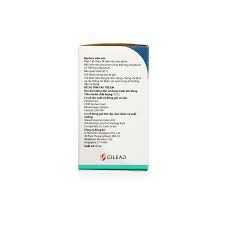
Bitongsha has significant advantages in treating hepatitis C, first of all due to its efficacy. According to clinical studies, Bintongsha can achieve complete clearance of HCV within 12 to 24 weeks, with a cure rate usually exceeding 90%, and some patients can even see significant effects within 8 weeks. Particularly for patients who have not received treatment before or who are difficult to cure due to different genotypes, protonsa has also shown an extremely high cure rate. Its healing effect far exceeds that of traditional interferon treatment, and it has fewer side effects, greatly improving the patient's quality of life.
The safety of Bingtonsa is also one of the reasons why it is widely recommended. Compared with interferon treatment, protonsa not only reduces the pain caused by injection treatment, but also greatly reduces serious reactions caused by drug side effects, such as anemia, depression, etc. Studies have shown that the side effects of protonsa are relatively mild. Common adverse reactions include mild headache, fatigue and mild gastrointestinal discomfort, and most patients can tolerate it.
Bingtonsa is suitable for patients with all HCV genotypes, including those with HIV infection. According to the latest treatment guidelines, protonsa can be used in patients including those without cirrhosis, those with mild to moderate cirrhosis, and those who have developed cirrhosis. Especially for those patients for whom traditional treatments are ineffective or contraindicated, Bintongsha provides a brand-new treatment option.
In addition, the use of bentonsa in the treatment of pediatric patients has also been widely studied and recognized. United StatesThe FDA has approved protonsa for use in pediatric patients over 12 years of age or weighing more than 35 kilograms. The drug is administered orally, is easy to use, and adapts well to the patient's lifestyle. Compared with traditional treatment options, the treatment cycle of Bintongsha is shorter and easy to take, further improving patient compliance.
Reference: https://www.epclusa.com/
[ 免责声明 ] 本页面内容来自公开渠道(如FDA官网、Drugs官网、原研药厂官网等),仅供持有医疗专业资质的人员用于医学药学研究参考,不构成任何治疗建议或药品推荐。所涉药品可能未在中国大陆获批上市,不适用于中国境内销售和使用。如需治疗,请咨询正规医疗机构。本站不提供药品销售或代购服务。


