
.jpeg)
A complete introduction to ruxolitinib phosphate/ruxolitinib cream: functions and usage in one place!
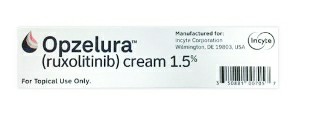
Ruxolitinib cream (ruxolitinib) is a topical drug developed by the American company Incyte. It is mainly used to treat skin diseases such as atopic dermatitis (AD) and vitiligo. As a Janus kinase (JAK) inhibitor, ruxolitinib inhibits the JAK-STAT signaling pathway in the body, thereby reducing skin inflammation caused by immune system abnormalities and alleviating the symptoms of related diseases. Its unique mechanism of action makes this drug one of the important treatment options in the field of dermatology.
1. Indications and treatment scope
The indications of ruxolitinib cream mainly cover atopic dermatitis and vitiligo, two common immune skin diseases. Atopic dermatitis (AD) is a chronic skin disease in which patients often suffer from severe itching, erythema and other symptoms. They usually do not respond well to topical steroid treatment and are prone to recurring attacks. Ruxolitinib cream provides a new treatment option for adults and children over 12 years of age whose symptoms are not effectively controlled by traditional treatments.
Another major indication is non-segmental vitiligo, which is a common pigment loss skin disease. White patches appear on the patient's skin, seriously affecting the appearance. Pigment recovery can be significantly enhanced by topical application of ruxolitinib cream, especially in adult and pediatric patients 12 years of age and older.
2. Drug action mechanism
Ruxolitinib cream, as aJAK inhibitor, can regulate the immune response by inhibiting the activity of the Janus kinase (JAK) signaling pathway. The JAK-STAT pathway plays a key role in many immune diseases, and its abnormal activation can cause the immune system to overreact and trigger inflammatory responses. In skin diseases such as atopic dermatitis and vitiligo, disorders of this immune system are often the main cause of worsening symptoms.
Ruxolitinib cream inhibits the JAK-STAT pathway through local action, thereby reducing the inflammatory response in the skin and relieving skin disease symptoms caused by an overactive immune system. Unlike traditional topical steroid treatment, ruxolitinib has a more specific mechanism of action and can effectively avoid side effects caused by long-term steroid use, such as skin thinning and local infection.
3. Usage and dosage
The use of ruxolitinib cream is relatively simple, but patients still need to pay attention to the dosage and area restrictions when using it. For patients with atopic dermatitis, it is recommended to apply ruxolitinib cream to the affected area, and the application area should not exceed 20% of the patient's body surface area. Typically, apply twice daily until symptoms of atopic dermatitis, such as itching, rash, and redness, are relieved. If symptoms do not improve significantly within 8 weeks of use, patients should be re-evaluated by their treating physician to consider whether adjustments to their treatment plan are needed.
For patients with vitiligo, the application area of ruxolitinib cream should be limited to 10% of the body surface area. Unlike atopic dermatitis, the treatment of vitiligo usually takes a long time to see obvious results, and the generally recommended treatment cycle is 24 weeks. During this period, if the patient still does not see significant pigment recovery after 24 weeks, he or she should be evaluated by the attending physician and the treatment plan adjusted.
4. Precautions and taboos
When using ruxolitinib cream, patients should strictly follow the doctor's instructions and avoid over-application or application in non-recommended areas. It should be noted that ruxolitinib cream is not recommended to be used in combination with other JAK inhibitors, biological agents, or strong immunosuppressants (such as azathioprine or cyclosporine), as this may increase the risk of immunosuppression and lead to adverse reactions. Therefore, patients should avoid concomitant use of other immune system suppressing drugs while using ruxolitinib cream.
In addition, ruxolitinib cream is only suitable for patients with mild to moderate atopic dermatitis and patients with non-segmental vitiligo. For patients with low immune function, special caution is required when using it.
Reference: https://www.opzelura.com/
[ 免责声明 ] 本页面内容来自公开渠道(如FDA官网、Drugs官网、原研药厂官网等),仅供持有医疗专业资质的人员用于医学药学研究参考,不构成任何治疗建议或药品推荐。所涉药品可能未在中国大陆获批上市,不适用于中国境内销售和使用。如需治疗,请咨询正规医疗机构。本站不提供药品销售或代购服务。


