
.jpeg)
Imatinib/Gleevec: chemotherapy drug or targeted therapy?
Imatinib/Gleevec (Imatinib) is a revolutionary targeted therapy drug that has reached a milestone in the field of cancer treatment. Unlike traditional chemotherapy drugs, imatinib works by precisely targeting the molecular mechanisms of cancer cells and is therefore classified as a targeted therapy drug. Although it is often used in conjunction with other chemotherapy drugs in clinical practice and has significant therapeutic effects in certain treatment regimens, from a pharmacological point of view, it does not belong to traditional chemotherapy drugs, but is used as a molecular targeted drug in the treatment of various cancers.
Imatinib is a tyrosine kinase inhibitor (TKI). Its main function is to inhibit the activity of tyrosine kinase activated by specific gene mutations in cancer cells. Specifically, imatinib was initially used to treat chronic myelogenous leukemia (CML). It inhibits the abnormal tyrosine kinase produced by the BCR-ABL fusion gene, thereby blocking the proliferation signal of CML cells and preventing the spread of cancer cells. The BCR-ABL fusion gene is a landmark mutation in leukemia cells in CML patients. The BCR-ABL protein it produces has abnormal tyrosine kinase activity, causing unlimited proliferation of white blood cells, ultimately leading to the occurrence of leukemia. By selectively inhibiting the activity of this tyrosine kinase, imatinib can effectively prevent the proliferation of leukemia cells, improve patients' clinical symptoms and significantly extend their survival.
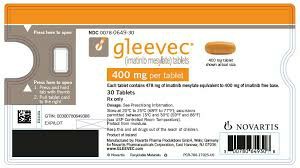
In addition toCML, imatinib is also widely used in the treatment of other malignant tumors, such as gastrointestinal stromal tumor (GIST), acute lymphoblastic leukemia (ALL), skin cancer, etc. In these diseases, imatinib also works mainly by inhibiting specific tyrosine kinases (such as c-kit and PDGF receptors) in cancer cells. For example, in gastrointestinal stromal tumors (GIST), tumor cells often undergo c-kit gene mutations, leading to uncontrolled cell growth. Imatinib prevents this process by inhibiting the tyrosine kinase activity of c-kit.
Traditional chemotherapy drugs such as cyclophosphamide and methotrexate work by directly killing dividing cancer cells. When these drugs treat tumors, in addition to attacking tumor cells, they also affect normal, rapidly dividing cells (such as hair cells, digestive tract cells, etc.), so they are often accompanied by serious side effects, such as hair loss, nausea and vomiting, and decreased immunity. Targeted therapy drugs target specific molecules or signaling pathways in tumor cells to precisely attack cancer cells and minimize damage to normal cells.
As a targeted drug, imatinib’s therapeutic mechanism is completely different from traditional chemotherapy drugs. Targeted therapy drugs usually intervene at the molecular level and selectively act on key molecules in tumor cells, such as tyrosine kinases and receptor proteins, without affecting other healthy cells. Imatinib specifically binds and inhibitsThe tyrosine kinase activity of the BCR-ABL fusion protein reduces damage to normal cells, so its side effects are milder than chemotherapy drugs, and the patient's quality of life is significantly improved.
Although imatinib has achieved remarkable clinical results, drug resistance has always plagued its long-term efficacy. With the prolongation of treatment time, some patients may develop resistance to imatinib. Especially in chronic myelogenous leukemia (CML), mutations in the BCR-ABL gene may cause imatinib to no longer effectively inhibit the proliferation of cancer cells. In order to deal with this problem, subsequent second- and third-generation tyrosine kinase inhibitors (such as dasatinib) have emerged. These drugs can overcome imatinib-resistant mutations and further improve the therapeutic effect.
Reference materials:https://www.gleevec.com/
[ 免责声明 ] 本页面内容来自公开渠道(如FDA官网、Drugs官网、原研药厂官网等),仅供持有医疗专业资质的人员用于医学药学研究参考,不构成任何治疗建议或药品推荐。所涉药品可能未在中国大陆获批上市,不适用于中国境内销售和使用。如需治疗,请咨询正规医疗机构。本站不提供药品销售或代购服务。


