
.jpeg)
What are the efficacy and indications of fostatinib? What diseases is it suitable for treating?
Fostamatinib is an oral small molecule drug mainly used to treat diseases related to the immune system. Its main mechanism of action is to regulate the immune response by inhibiting the activity of Syk tyrosine kinase, thereby exerting its therapeutic effect. The application fields of fostatinib are mainly concentrated in immune diseases and hematological diseases, especially the treatment of autoimmune diseases and thrombocytopenia. The following will introduce in detail the efficacy and indications of fostatinib, as well as the diseases it is suitable for.
1. Pharmacological mechanism of fostatinib
Fostatinib works by inhibiting the activity ofSykkinase. Syk(spleen tyrosine kinase) is a tyrosine kinase that plays an important role in immune cell function and participates in the signal transduction process of a variety of immune cells, especially the activation of immune cells such as B cells, T cells, macrophages, and neutrophils. By inhibiting the activity of Syk kinase, fostatinib modulates the immune response, thereby reducing excessive immune responses or damage caused by the immune system. This mechanism makes fostatinib of great clinical significance in the treatment of autoimmune diseases, blood diseases and other fields.
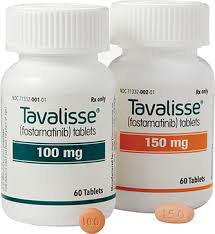
2. Main indications of fostatinib
The main indications currently approved for fostatinib include:
(1) Chronic immune thrombocytopenia (ITP)
Chronic immune thrombocytopenia is a blood disorder caused by an abnormality in the immune system, in which the immune system mistakenly attacks and destroys healthy platelets, resulting in a significant decrease in the number of platelets. Fostatinib regulates the abnormal response of the immune system by inhibiting Syk kinase, reducing platelet destruction, thereby increasing the number of platelets and effectively treating ITP patients. Fostatinib provides a new treatment option for patients with ITP who are refractory to traditional treatments.
(2) Rheumatoid arthritis
Rheumatoid arthritis is a chronic autoimmune disease that manifests as joint inflammation, swelling, pain and other symptoms, and long-term inflammation may lead to joint damage and loss of function. Fostatinib reduces the immune system's attack on joints by inhibiting the excessive activation of immune cells, thereby alleviating the symptoms of rheumatoid arthritis, reducing inflammatory reactions, and improving patients' quality of life. The use of fostatinib in rheumatoid arthritis is still in the clinical research stage, but it has shown certain efficacy. Especially for some patients who have poor response to other immunosuppressive drugs, fostatinib provides a feasible treatment option.
(3) Other immune-mediated diseases
Fostatinib has also shown promise in a number of other immune system diseases, particularly autoimmune diseases and those associated with excessive immune responses. By modulating the immune response, fostatinib can alleviate the symptoms of these diseases and reduce complications caused by immune system abnormalities. For some diseases, the specific indications and efficacy of fostatinib require further clinical research and verification.
3. The efficacy and clinical research of fostatinib
Fostatinib has shown significant efficacy in multiple clinical studies. For example, in the treatment of chronic immune thrombocytopenia (ITP), fostatinib was found to significantly increase the number of platelets in patients and was well tolerated. According to clinical trial data, fostatinib has shown sustained effects in improving platelet counts in ITP patients and is more effective than some traditional treatments, such as corticosteroids and immunosuppressive drugs.
The results of fostatinib in clinical studies in rheumatoid arthritis have also been very encouraging. Some studies have shown that fostatinib can reduce joint inflammation, relieve joint pain, and improve patients' joint function. Especially in patients who have poor response to traditional immunosuppressive or biologic treatments, fostatinib has shown good clinical effects.
4. Safety and side effects of fostatinib
Like other immunomodulatory drugs, fostatinib may cause certain side effects during use. The most common side effects include high blood pressure, diarrhea, fatigue, headache, nausea, etc. These side effects are usually mild to moderate and can be tolerated by most patients. A small number of patients may experience more serious side effects, such as abnormal liver function, rash, or allergic reactions, so patients need to be monitored regularly under the guidance of a doctor while using fostatinib.
Fostatinib, as a targeted therapeutic drug, can regulate abnormal responses of the immune system by inhibiting the activity of Sykkinase, and has significant efficacy in the treatment of immune-related diseases such as chronic immune thrombocytopenia and rheumatoid arthritis. It provides new treatment options for patients who have failed other treatments and improves patients' quality of life to a certain extent. However, when using fostatinib, patients still need to pay attention to possible side effects and need to undergo treatment under the guidance of a doctor to ensure safe and effective treatment.
Reference materials:https://www.tavalisse.com/
[ 免责声明 ] 本页面内容来自公开渠道(如FDA官网、Drugs官网、原研药厂官网等),仅供持有医疗专业资质的人员用于医学药学研究参考,不构成任何治疗建议或药品推荐。所涉药品可能未在中国大陆获批上市,不适用于中国境内销售和使用。如需治疗,请咨询正规医疗机构。本站不提供药品销售或代购服务。


