
.jpeg)
Is sorafenib a targeted drug? What are its targeting mechanisms and therapeutic principles?
Sorafenib is a targeted therapy drug mainly used to treat liver cancer, kidney cancer and certain types of thyroid cancer. As a multi-target small molecule drug, sorafenib can act on multiple signaling pathways at the same time to achieve the effect of treating cancer by inhibiting the proliferation of tumor cells and inhibiting angiogenesis.
Targeting mechanism of sorafenib
The targeting mechanism of sorafenib involves multiple key molecular targets. It controls tumor growth and inhibits tumor metastasis by interfering with multiple important signaling pathways of tumor cells. Specifically, the main targets of sorafenib include:
RAF kinase: RAF kinase is a key component of the RAS/MAPK signaling pathway and plays an important role in cell proliferation, survival and differentiation. By inhibiting RAF kinase, sorafenib can inhibit the proliferation of tumor cells and reduce the survival rate of tumor cells. This effect has significant effects on many types of tumors, especially liver cancer and kidney cancer.
VEGFR (vascular endothelial growth factor receptor): VEGFR is an important molecule in tumor angiogenesis. Tumor growth and metastasis often depend on the formation of new blood vessels. Sorafenib can inhibit the activity of VEGFR, thereby inhibiting tumor angiogenesis, reducing the blood supply to tumors, limiting the nutrient supply to tumor cells, thereby inhibiting tumor growth.
PDGFR (platelet-derived growth factor receptor): PDGFR is involved in regulating the formation of tumor blood vessels and the proliferation and migration of tumor cells. Sorafenib can further reduce the formation of tumor blood vessels and reduce the spread of tumor cells by inhibiting the PDGFR signaling pathway.
The therapeutic principle of sorafenib is based on its multi-target mechanism, which can not only directly inhibit the proliferation of tumor cells, but also limit the growth of tumors by inhibiting angiogenesis. Specifically, the treatment principle of sorafenib can be divided into two aspects:
Inhibit tumor cell proliferation: Sorafenib inhibits tumor cell proliferation by inhibiting the activity of RAF kinase. RAF kinase is an important factor in the process of cell proliferation and differentiation. Inhibiting it can cause tumor cells to lose proliferation signals, leading to tumor cell stasis or death. Through this mechanism, sorafenib can directly slow down the growth rate of tumors and even shrink tumors.
Inhibit tumor angiogenesis: Tumor growth depends on the supply of blood vessels to obtain nutrients and oxygen. Sorafenib inhibits tumor angiogenesis by inhibiting the activities of VEGFR and PDGFR. Reducing the formation of new blood vessels makes it difficult for tumor cells to obtain sufficient nutrients, thereby slowing down tumor growth and reducing the risk of tumor metastasis to a certain extent.
Clinical application and effect
Sorafenib is widely used in the treatment of advanced hepatocellular carcinoma, renal cell carcinoma, and thyroid cancer, especially in the locally advanced or metastatic stages of these diseases. Studies have shown that sorafenib can significantly prolong patients' survival and improve their quality of life in the treatment of liver cancer. In addition, sorafenib has shown good clinical effects in the treatment of renal cancer, especially in the treatment of inoperable advanced patients. The clinical application of this drug not only helps control tumor growth, but also effectively slows the progression of the disease.
The efficacy of sorafenib is generally manifested in prolonging progression-free survival (PFS) in patients, and it is effective in many different types of tumors. Still, like all targeted drugs, sorafenib may cause certain side effects, such as high blood pressure, rash, diarrhea, and fatigue. Patients need to be monitored under the guidance of a doctor while using sorafenib to manage possible side effects.
In summary, sorafenib is a targeted therapy drug that works through a multi-target mechanism. It inhibits tumor growth by inhibiting the proliferation of tumor cells and preventing tumor angiogenesis. It is mainly used to treat diseases such as liver cancer, kidney cancer, and thyroid cancer, and has achieved significant results in clinical practice. Although the price of sorafenib is relatively high, its efficacy and application in various cancer treatments still make it one of the important anti-cancer drugs.
Reference: https://www.nexavar.com/
Targeting mechanism of sorafenib
The targeting mechanism of sorafenib involves multiple key molecular targets. It controls tumor growth and inhibits tumor metastasis by interfering with multiple important signaling pathways of tumor cells. Specifically, the main targets of sorafenib include:
RAF kinase: RAF kinase is a key component of the RAS/MAPK signaling pathway and plays an important role in cell proliferation, survival and differentiation. By inhibiting RAF kinase, sorafenib can inhibit the proliferation of tumor cells and reduce the survival rate of tumor cells. This effect has significant effects on many types of tumors, especially liver cancer and kidney cancer.
VEGFR (vascular endothelial growth factor receptor): VEGFR is an important molecule in tumor angiogenesis. Tumor growth and metastasis often depend on the formation of new blood vessels. Sorafenib can inhibit the activity of VEGFR, thereby inhibiting tumor angiogenesis, reducing the blood supply to tumors, limiting the nutrient supply to tumor cells, thereby inhibiting tumor growth.
PDGFR (platelet-derived growth factor receptor): PDGFR is involved in regulating the formation of tumor blood vessels and the proliferation and migration of tumor cells. Sorafenib can further reduce the formation of tumor blood vessels and reduce the spread of tumor cells by inhibiting the PDGFR signaling pathway.
c-KIT and FLT3: c-KIT is an important receptor kinase in some malignant tumors, and FLT3 plays an important role in the pathogenesis of leukemia. Sorafenib also inhibits these two kinases, helping to slow tumor progression.
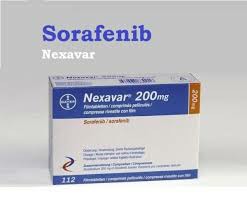
The therapeutic principle of sorafenib is based on its multi-target mechanism, which can not only directly inhibit the proliferation of tumor cells, but also limit the growth of tumors by inhibiting angiogenesis. Specifically, the treatment principle of sorafenib can be divided into two aspects:
Inhibit tumor cell proliferation: Sorafenib inhibits tumor cell proliferation by inhibiting the activity of RAF kinase. RAF kinase is an important factor in the process of cell proliferation and differentiation. Inhibiting it can cause tumor cells to lose proliferation signals, leading to tumor cell stasis or death. Through this mechanism, sorafenib can directly slow down the growth rate of tumors and even shrink tumors.
Inhibit tumor angiogenesis: Tumor growth depends on the supply of blood vessels to obtain nutrients and oxygen. Sorafenib inhibits tumor angiogenesis by inhibiting the activities of VEGFR and PDGFR. Reducing the formation of new blood vessels makes it difficult for tumor cells to obtain sufficient nutrients, thereby slowing down tumor growth and reducing the risk of tumor metastasis to a certain extent.
Clinical application and effect
Sorafenib is widely used in the treatment of advanced hepatocellular carcinoma, renal cell carcinoma, and thyroid cancer, especially in the locally advanced or metastatic stages of these diseases. Studies have shown that sorafenib can significantly prolong patients' survival and improve their quality of life in the treatment of liver cancer. In addition, sorafenib has shown good clinical effects in the treatment of renal cancer, especially in the treatment of inoperable advanced patients. The clinical application of this drug not only helps control tumor growth, but also effectively slows the progression of the disease.
The efficacy of sorafenib is generally manifested in prolonging progression-free survival (PFS) in patients, and it is effective in many different types of tumors. Still, like all targeted drugs, sorafenib may cause certain side effects, such as high blood pressure, rash, diarrhea, and fatigue. Patients need to be monitored under the guidance of a doctor while using sorafenib to manage possible side effects.
In summary, sorafenib is a targeted therapy drug that works through a multi-target mechanism. It inhibits tumor growth by inhibiting the proliferation of tumor cells and preventing tumor angiogenesis. It is mainly used to treat diseases such as liver cancer, kidney cancer, and thyroid cancer, and has achieved significant results in clinical practice. Although the price of sorafenib is relatively high, its efficacy and application in various cancer treatments still make it one of the important anti-cancer drugs.
Reference: https://www.nexavar.com/
[ 免责声明 ] 本页面内容来自公开渠道(如FDA官网、Drugs官网、原研药厂官网等),仅供持有医疗专业资质的人员用于医学药学研究参考,不构成任何治疗建议或药品推荐。所涉药品可能未在中国大陆获批上市,不适用于中国境内销售和使用。如需治疗,请咨询正规医疗机构。本站不提供药品销售或代购服务。


