
.jpeg)
Detailed explanation of the Chinese instructions for Jisandai/Bingtonsha: a must-read medication guide and precautions for patients
Epclusa is a broad-spectrum antiviral drug developed by Gilead and is suitable for the treatment of chronic hepatitis C (HCV) of all genotypes (types 1-6). As an oral, fixed-dose compound preparation, Gesida is composed of Sofosbuvir (Sofosbuvir, 400mg) and Velpatasvir (100mg). Its main mechanism of action is to inhibit the RNA replication of the HCV virus, thereby achieving the effect of virus clearance. The efficacy of GIS3 has been verified in multiple clinical trials around the world and is widely used in different types of hepatitis C patients, including patients with cirrhosis and patients who have been previously treated but not cured.
1. Indications
Jisandai is suitable for the following types of patients:
1. Chronic hepatitis C (HCV) infected patients: covers all HCV genotypes (types 1-6), including treatment-naive patients and treatment-experienced patients.
2. Compensated cirrhosis (Child-Pugh A) patients: A higher viral clearance rate can be achieved without additional combination of other drugs.
3. Decompensated cirrhosis (Child-Pugh B or C) patients: usually need to be combined with ribavirin to improve the cure rate and reduce the risk of disease progression.
4. Patients with HCV and HIV co-infection: Epclusa can be used as the preferred treatment option, but attention should be paid to the interaction with anti-HIV drugs.
2. Usage and dosage
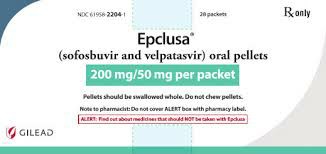
The standard dosage of GIS3 is 1 tablet (400mg sofosbuvir + 100mg velpatasvir) per day. It is taken orally and the tablets must not be chewed or broken. It is recommended to take it at the same time every day to maintain a stable blood concentration. The recommended treatment courses for different patients are as follows:
1. Patients without liver cirrhosis or compensated liver cirrhosis: use Jisandai alone, and the treatment course is 12 weeks.
2. Patients with decompensated liver cirrhosis: GISIII combined with ribavirin, the treatment course is 12 weeks. The specific dose needs to be adjusted according to the patient's weight.
If you miss a dose, you should take it as soon as possible. If it is close to the next dose, skip the missed dose and avoid doubling the dose.
3. Pre-treatment examination
Before using GISANDA, doctors usually recommend that patients undergo the following examinations to ensure efficacy and reduce risks:
1. Quantitative detection of HCV RNA: Confirm the viral load in order to evaluate the effect of treatment.
2. HCV genotyping: Although Jisandai is applicable to all genotypes, genotyping can still provide additional basis for treatment decisions.
3. Liver function test (ALT, AST, bilirubin, albumin, INR): Assess the degree of liver damage and determine whether there is cirrhosis.
4. Renal function test (creatinine, GFR): Some patients with hepatitis C may have renal function damage and require close monitoring.
4. Precautions when taking medication
1. Avoid taking it with antacids: The absorption of velpatasvir is affected by gastric acid. It is recommended to avoid taking proton pump inhibitors (PPI, such as omeprazole) at the same time. If antacids must be used, they should be given at least 4 hours apart.
2. Use with caution in combination with other drugs: The metabolism of Gensida involves the CYP3A4 enzyme. Combining it with certain drugs (such as carbamazepine, phenytoin, rifampicin and CYP3A4 inducers) may reduce the efficacy. You need to consult a doctor to adjust the plan.
3. It is not recommended to be used in combination with other HCV treatment drugs: Gisanda has been proven to be an effective monotherapy for the treatment of hepatitis C. It is usually not necessary to combine it with other antiviral drugs (such as sofosbuvir alone or other NS5A inhibitors).
4. Patients with cirrhosis need to be closely monitored: For patients with cirrhosis, liver function should be reviewed regularly during treatment to observe changes in the condition and prevent potential risks of liver failure.
5. Common side effects
Jisanda is generally well tolerated, but some patients may experience the following adverse reactions:
1. Mild side effects: headache, fatigue, nausea, loss of appetite, diarrhea, etc. Generally, no special treatment is required.
2. Serious side effects: anemia (especially when combined with ribavirin), rash, elevated liver enzymes, etc. If symptoms are obvious, you should seek medical treatment in time.
3. Rare but serious adverse reactions: If the patient is infected with hepatitis B (HBV) at the same time, using Jisanda may cause HBV reactivation, leading to severe hepatitis or even liver failure. Therefore, HBV infection should be screened before treatment.
6. Efficacy evaluation
The efficacy of GIS is usually evaluated by SVR (sustained virological response), which is the continued undetectability of viral RNA 12 weeks (SVR12) or 24 weeks (SVR24) after the end of treatment. Clinical data shows that for patients without cirrhosis, the SVR12 of Jisandai can reach more than 98%. For patients with compensated cirrhosis, SVR12 is close to 95-98%. For patients with decompensated cirrhosis (combined with ribavirin), SVR12 can reach 86-94%.
7. Medication guidance for special populations
Pregnant and lactating women: There is currently insufficient research to prove the safety of Jisandai to pregnant women and fetuses. It is recommended that pregnant women use it with caution. If treatment is necessary, the pros and cons should be weighed and used under the guidance of a doctor. In addition, lactating women should consider stopping lactation when using Jisandai.
Children and the elderly: Jisandahas been approved for use in children 3 years old and above, but the specific dosage needs to be adjusted according to body weight. For elderly patients, although the changes in pharmacokinetics are smaller, it is still necessary to pay attention to the impact of changes in liver and kidney function on drug metabolism.
Patients with HIV combined with hepatitis C: Gisandai is also effective in HIV/HCV co-infected patients, but attention should be paid to interactions with anti-HIV drugs, such as tenofovir (TDF), which may increase the risk of kidney damage.
Reference: https://www.epclusa.com/
[ 免责声明 ] 本页面内容来自公开渠道(如FDA官网、Drugs官网、原研药厂官网等),仅供持有医疗专业资质的人员用于医学药学研究参考,不构成任何治疗建议或药品推荐。所涉药品可能未在中国大陆获批上市,不适用于中国境内销售和使用。如需治疗,请咨询正规医疗机构。本站不提供药品销售或代购服务。


