
.jpeg)
Analysis of common adverse reactions of Imatinib/Gleevec
Imatinib/Gleevec (Imatinib) is a widely used targeted therapy drug, mainly used to treat Philadelphia chromosome-positive (Ph+) chronic myelogenous leukemia (CML) and KIT-positive gastrointestinal stromal tumors (GIST). As a tyrosine kinase inhibitor, imatinib inhibits the tyrosine kinase activity of the BCR-ABL fusion protein, thereby preventing the proliferation of leukemia cells and inhibiting the growth of tumor cells. However, although imatinib has achieved significant efficacy in treating these diseases, it may also cause a series of common side effects. Patients need to regularly monitor these adverse reactions during treatment for timely management and intervention.
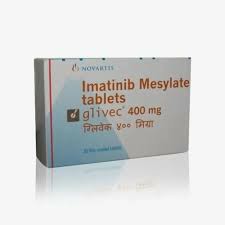
First, edema is one of the most common adverse reactions during imatinib treatment. Many patients develop edema of the extremities, face, or abdomen after taking imatinib. The occurrence of edema may be related to the effect of drugs on vascular permeability and the potential interference of drugs on renal function. Edema is usually mild to moderate, and patients can relieve symptoms during treatment by limiting salt intake and using diuretics. A small number of patients may develop severe edema, requiring adjustment of drug dosage or suspension of treatment.
Secondly, nausea and vomiting are also common side effects of imatinib, especially in the early stages of treatment. Most patients can reduce discomfort by taking medication 1 hour after or before meals, and antiemetic drugs can also effectively control these symptoms. Symptoms of nausea and vomiting tend to gradually lessen as treatment continues.
In addition, imatinib may cause muscle and joint pain. Patients may experience soreness, joint stiffness, or muscle weakness in their limbs, especially early in treatment. Symptoms are usually mild but may interfere with daily activities. Nonsteroidal anti-inflammatory drugs (NSAIDs) are often used to relieve these symptoms, but caution should be taken when using these drugs because of possible liver and kidney toxicity.
Reference materials:https://www.gleevec.com/
[ 免责声明 ] 本页面内容来自公开渠道(如FDA官网、Drugs官网、原研药厂官网等),仅供持有医疗专业资质的人员用于医学药学研究参考,不构成任何治疗建议或药品推荐。所涉药品可能未在中国大陆获批上市,不适用于中国境内销售和使用。如需治疗,请咨询正规医疗机构。本站不提供药品销售或代购服务。


