
.jpeg)
Evaluation of the effectiveness of sparsentan/sparsentan in the treatment of IgA nephropathy
Sparsentan is a new type of dual receptor antagonist that mainly acts on endothelin receptor A (ETA) and angiotensin II type 1 receptor (AT1). The drug was originally developed to treat rare kidney diseases such as focal segmental glomerulosclerosis (FSGS) and primary immunoglobulin A nephropathy (IgAN). In recent years, with the deepening of clinical research, sparsentan has shown good efficacy in the treatment of IgA nephropathy and is regarded as a new hope for the management of IgA nephropathy in the future.
IgA nephropathy is a chronic progressive glomerular disease characterized by the deposition of immunoglobulin A (IgA) in the glomerular mesangial area, leading to chronic inflammation and fibrosis. In the long term, IgA nephropathy may cause increased proteinuria, decreased renal function, and eventually develop into end-stage renal disease (ESRD). Currently, the standard treatment options for this disease include RAS (renin-angiotensin system) inhibitors, such as ACEI (angiotensin-converting enzyme inhibitors) and ARB (angiotensin II receptor blockers), but these drugs have limited efficacy in some patients and cannot completely prevent the progression of the disease.
Sparsentan has a unique mechanism of action. It can not only antagonizeAT1 receptors and inhibit the activity of angiotensin II, but also block ETA receptors and reduce endothelin-mediated glomerular damage. This dual receptor antagonism makes sparsentan potentially superior to traditional RAS inhibitors in reducing proteinuria and delaying the deterioration of renal function.
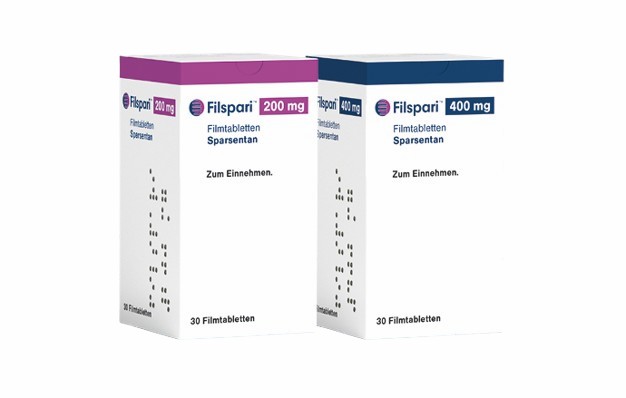
The efficacy of sparsentane in the treatment ofIgA nephropathy mainly comes from a pivotal phase III clinical trial - the PROTECT trial. This study was designed to evaluate the efficacy and safety of sparsentan compared with irbesartan, a common ARB drug, in patients with IgA nephropathy.
The results of the study showed that at the 36th week of treatment, the proteinuria level (measured by 24-hour urine protein/creatinine ratio UPCR) of patients receiving sparsentan was reduced by about 50% on average from baseline, while the decrease in proteinuria in the irbesartan group was relatively small. In addition, sparsentan also showed positive effects in protecting kidney function, with patients experiencing a slower decline in glomerular filtration rate (eGFR), suggesting that the drug may have the ability to slow the progression of IgA nephropathy. Based on these results, the U.S. Food and Drug Administration (FDA) has granted sparsentan orphan drug designation and approval in 2023 for the treatment of IgA nephropathy.
Currently,The treatment of IgA nephropathy is still based on RAS inhibitors, supplemented by immunosuppressants (such as glucocorticoids, cyclophosphamide) or SGLT2 inhibitors (such as dapagliflozin, empagliflozin) and other drugs. In contrast, the advantage of sparsentan lies in its dual mechanism of action, which can inhibit angiotensin II and endothelin at the same time to achieve a stronger proteinuria-lowering effect. In addition, sparsentan has been shown to be well tolerated in clinical trials, with relatively few side effects, especially low incidence rates of adverse reactions such as hypotension and elevated liver enzymes.
However, Sparsentine also has certain limitations. For example, the drug is currently mainly targeted at patients with IgA nephropathy who have significant proteinuria, but its efficacy in patients with low or no proteinuria has not yet been determined. In addition, since spaxentan is a new drug, its long-term safety and efficacy still require further observation.
Reference materials:https://www.sparsentan.com/
[ 免责声明 ] 本页面内容来自公开渠道(如FDA官网、Drugs官网、原研药厂官网等),仅供持有医疗专业资质的人员用于医学药学研究参考,不构成任何治疗建议或药品推荐。所涉药品可能未在中国大陆获批上市,不适用于中国境内销售和使用。如需治疗,请咨询正规医疗机构。本站不提供药品销售或代购服务。


