
.jpeg)
How many years is most recommended for taking Glasdegib?
Glasdegib The treatment time varies depending on the specific situation of the patient, and there is currently no unified standard medication period. In clinical practice, glazegib is usually used in combination with low-dose cytarabine (LDAC), mainly for acute myeloid leukemia (AML) patients who cannot tolerate high-intensity chemotherapy. In general, as long as the patient is benefiting from treatment and does not experience intolerable side effects, it is recommended to continue using Glasgib until disease progression or until the patient is no longer able to tolerate treatment.
InIn the Phase III clinical trial (BRIGHT AML 1003 study), the median overall survival (OS) of AML patients treated with Glasgib combined with LDAC was approximately 8.3 months, which was significantly longer than the 4.3 months of LDAC alone. This shows that Glasgib can inhibit disease progression and improve survival rate within a certain period of time. However, since AML is a hematological malignant tumor that is prone to relapse, whether long-term use of Glasgib can sustainably control the disease still requires further study.
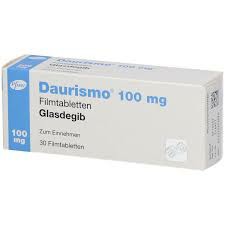
From a clinical perspective, it is recommended that patients receive glazegib treatment for at least 6-12 months to observe efficacy and tolerability. If the condition is stable and there are no obvious side effects, many patients may continue to take it for more than 2 years or even longer. Some patients enter into remission after using Glasgib, and if their doctor assesses that maintenance treatment will help prevent relapse, long-term use may be recommended. Conversely, if a patient experiences serious side effects, such as severe muscle cramps, anemia, abnormal liver function, or other intolerable adverse effects, the doctor may consider adjusting the dose or discontinuing the drug.
For older AML patients, who often cannot tolerate high-intensity chemotherapy, Glasgib may become the mainstay of long-term disease control. As new targeted therapies continue to develop, there may be more research data on the long-term use of Glasgib in the future, helping doctors better develop individualized treatment plans. Therefore, patients should regularly evaluate their condition according to their doctor's advice and decide whether to continue taking the medication based on their own tolerance.
Reference materials:https://go.drugbank.com/drugs/DB11978
[ 免责声明 ] 本页面内容来自公开渠道(如FDA官网、Drugs官网、原研药厂官网等),仅供持有医疗专业资质的人员用于医学药学研究参考,不构成任何治疗建议或药品推荐。所涉药品可能未在中国大陆获批上市,不适用于中国境内销售和使用。如需治疗,请咨询正规医疗机构。本站不提供药品销售或代购服务。


