
.jpeg)
What are the possible side effects of acalabrutinib? How to effectively deal with these side effects?
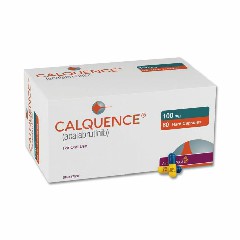
Acalabrutinib (Acalabrutinib) is an inhibitor that targets Bruton's tyrosine kinase (BTK) and is mainly used to treat mantle cell lymphoma (MCL), chronic lymphocytic leukemia (CLL) and other B cell-related malignancies. Acotinib inhibits the BTK activity and blocks the B cell receptor signaling pathway, thereby inhibiting the growth and survival of tumor cells. Although acotinib has good efficacy in treating related diseases, it may also cause some side effects. Understanding these side effects and taking effective countermeasures can help patients better tolerate treatment and improve efficacy.
1. Hematological side effects
One of the most common side effects of acotinib is hematologic-related problems, such as hypothrombocytosis, anemia, and neutropenia. These side effects often manifest as easy bleeding, fatigue, pale skin, and susceptibility to infections. During the treatment process, patients should regularly check blood routine and seek medical treatment promptly if bleeding tendencies occur (such as gum bleeding, subcutaneous bleeding points, etc.). For patients with low thrombocytopenia, doctors may adjust the dose or delay treatment depending on the situation. To effectively manage hematologic side effects, patients can take the following steps:
Stay alert, check blood routine regularly, and detect abnormalities early;
Avoid medications that may increase the risk of bleeding, such as nonsteroidal anti-inflammatory drugs (NSAIDs);
Maintain good oral hygiene to avoid gum bleeding and oral infections;
If symptoms such as persistent fever or infection occur, you should seek medical treatment immediately so that the treatment plan can be adjusted in a timely manner.
2. Cardiovascular system side effects
Acotinib may cause adverse effects on the cardiovascular system, such as cardiac arrhythmias, hypertension, and angina. Although these side effects are rare during the use of acotinib, they still require special attention. Arrhythmia is a heartbeat that is too fast, too slow, or irregular, while high blood pressure can cause symptoms such as headaches, chest pain, and difficulty breathing. Patients should regularly monitor blood pressure and electrocardiogram while taking acotinib, especially high-risk groups (such as patients with a history of hypertension and heart disease). If you develop chest pain, shortness of breath, or abnormal heartbeat, stop taking this medicine immediately and seek medical help. To cope with cardiovascular side effects, patients can:
Regularly check blood pressure and electrocardiogram to ensure cardiovascular health;
If you have a history of high blood pressure or heart disease, be careful when using antihypertensive drugs to avoid drug-drug interactions;
If chest pain or severe palpitations occur, seek medical attention immediately for detailed examination and treatment.
3. Digestive system side effects
Digestive system side effects are also one of the common reactions when using acotinib, usually manifesting as diarrhea, nausea, vomiting, loss of appetite and abdominal pain. Most of these side effects appear early in treatment and may gradually lessen over time. To effectively deal with digestive discomfort, patients can take the following steps:
Maintain adequate fluid intake to avoid dehydration;
Avoid spicy, greasy and hard-to-digest foods;
For diarrhea, patients can use antidiarrheal drugs, such as loperamide, according to doctor's advice;
If symptoms persist or are severe, seek medical advice promptly to adjust the treatment plan. You may need to reduce the dose of acotinib or suspend its use.
4. Other side effects and management
In addition to hematological, cardiovascular and digestive system side effects, acotinib may also cause unpleasant symptoms such as headache, joint pain, rash, fatigue and muscle pain. To reduce these side effects, patients can:
For headaches, over-the-counter medications such as acetaminophen can be used appropriately, but overdose should be avoided;
When joints and muscles are painful, perform moderate exercises to keep joints flexible;
When experiencing a rash, it is recommended to use mild moisturizers and non-irritating skin care products and avoid direct sunlight;
When you are tired, pay attention to rest, avoid overexertion, and maintain a regular schedule.
Although acotinib has significant efficacy in the treatment of mantle cell lymphoma, chronic lymphocytic leukemia and other B cell-related malignancies, it may also cause a series of side effects. Common side effects include blood problems, cardiovascular problems, digestive discomfort, and other symptoms. Patients should maintain close communication with their doctors during treatment and undergo regular examinations in order to detect and respond to side effects early. Through reasonable management, patients can reduce side effects and improve treatment tolerance, thereby maximizing the therapeutic effect of acotinib.
Reference materials:https://www.calquence.com/
[ 免责声明 ] 本页面内容来自公开渠道(如FDA官网、Drugs官网、原研药厂官网等),仅供持有医疗专业资质的人员用于医学药学研究参考,不构成任何治疗建议或药品推荐。所涉药品可能未在中国大陆获批上市,不适用于中国境内销售和使用。如需治疗,请咨询正规医疗机构。本站不提供药品销售或代购服务。


