
.jpeg)
Precautions and contraindications when using entrectinib
Entrectinib is a tyrosine kinase inhibitor that targets ROS1 and NTRK gene mutations and is mainly used for treatmentROS1 or NTRK gene rearrangement-positive non-small cell lung cancer (NSCLC) and other types of tumors. Although entrectinib has shown good efficacy in the treatment of cancers with these specific mutations, patients still need to pay attention to a series of matters during use, especially in terms of diet, drug interactions, and lifestyle habits, to ensure the safety and effectiveness of the treatment.
The recommended dose of entrectinib is 600mg once daily, which should be taken orally and can be taken with or without food. However, for patients who experience more serious side effects (such as liver function impairment, QT interval prolongation, etc.), doctors may adjust the dose based on specific circumstances. Patients with abnormal liver function should be particularly careful and have their liver function monitored regularly. If significant liver enzyme elevations occur, the dose may need to be reduced or the medication may need to be suspended. Patients should follow the doctor's instructions while taking the medication and avoid increasing or decreasing the dosage on their own to avoid affecting the efficacy and safety of the medication.
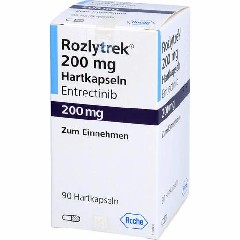
Enrectinib can be taken with food, so there are no strict fasting requirements. However, patients should avoid ingesting grapefruit or grapefruit juice at the same time when taking the drug, because grapefruit may affect the activity of liver metabolic enzyme CYP3A4, thereby changing the metabolism rate of entrectinib, resulting in an increase or decrease in blood drug concentration. High-fat foods may also affect the absorption of entrectinib, so it is recommended to avoid eating large amounts of greasy foods while taking the drug. In addition, patients should ensure adequate nutritional intake and maintain good physical strength and immunity to cope with side effects during treatment.
Enrectinib is metabolized by CYP3A4, so special attention needs to be paid to drug-drug interactions when using it. When coadministered with CYP3A4 inhibitors (such as ketoconazole, itraconazole), the plasma concentration of entrectinib may increase, increasing the risk of side effects. On the contrary, when combined with CYP3A4 inducers (such as phenytoin, carbamazepine), the plasma concentration of entrectinib may be reduced and its efficacy may be affected. Before starting entrectinib, patients should inform their doctor about all medications they are taking, including prescription drugs, over-the-counter drugs, and herbal supplements, to avoid adverse drug interactions.
In terms of lifestyle habits, patients should avoid smoking while taking entrectinib, because smoking may accelerate the metabolism of the drug and reduce the efficacy of the drug. In addition, patients should undergo regular ECG monitoring because entrectinib may cause QT prolongation ifQTThe interval is significantly prolonged, which may lead to arrhythmia. Therefore, patients with a history of heart disease or who are taking other drugs that prolong the QT interval should use entrectinib under the guidance of a physician and closely monitor ECG changes. Patients need to maintain a healthy lifestyle and avoid strenuous exercise and overexertion during treatment to reduce possible side effects.
Reference materials:https://www.roche.com/products/rozlytrek
[ 免责声明 ] 本页面内容来自公开渠道(如FDA官网、Drugs官网、原研药厂官网等),仅供持有医疗专业资质的人员用于医学药学研究参考,不构成任何治疗建议或药品推荐。所涉药品可能未在中国大陆获批上市,不适用于中国境内销售和使用。如需治疗,请咨询正规医疗机构。本站不提供药品销售或代购服务。


