
.jpeg)
What are the side effects of datopotamab?
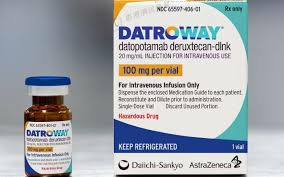
Datopotamab Deruxtecan (Dato-DXd for short) is an antibody drug conjugate (ADC) that combines the advantages of antibody targeting and chemotherapy drugs. It is mainly used to treat certain types of cancer, especially advanced or metastatic triple-negative breast cancer (TNBC). As a new targeted therapy drug, dabrotomab has shown certain efficacy in clinical trials, but it may also cause some side effects. Here are the common side effects and how to manage them:
1. Myelosuppression
A common side effect of dabrotuzumab is bone marrow suppression, especially leukopenia (low white blood cell count), anemia, and thrombocytopenia. Bone marrow suppression may cause patients to experience symptoms such as fatigue, susceptibility to infection, and skin bleeding. This is due to the inhibitory effect of the chemotherapy ingredients in the drug on bone marrow cells. In order to reduce these side effects, patients need to undergo regular blood tests during treatment to monitor changes in blood cell counts. If symptoms of severe bone marrow suppression occur, your doctor may adjust the dose of the drug or suspend treatment until your blood counts return to normal.
2. glioma reaction
As an ADC drug, dabrotuzumab targets the surface antigens of cancer cells through antibodies and delivers toxic chemotherapy drugs directly to the tumor site, which may cause some non-specific cell damage, especially in the tissue adjacent to the tumor. Some patients may experience a glioma-like reaction caused by this, manifesting as lung problems such as difficulty breathing, coughing, chest pain, etc. Pulmonary toxicity is a serious side effect of this type of drug. If relevant symptoms are found, a CT scan should be performed as soon as possible to confirm whether there is drug-related lung injury. Mild reactions may require only a suspension of the drug, while more severe reactions may require discontinuation of the drug and initiation of respiratory support therapy.
3. Collitic allergic reaction
An allergic reaction is an immune system reaction triggered by a drug. Symptoms may include fever, chills, rash, shortness of breath, etc. Although allergic reactions to dabrotuzumab are uncommon, they may occur in some patients, especially those who are allergic to ingredients in the drug. If an allergic reaction occurs, drug use should be stopped immediately and anti-allergic drugs such as antihistamines or glucocorticoids should be given for treatment. Prompt recognition and management of allergy symptoms is key to ensuring safe treatment.
4. Digestive system discomfort
Another common side effect of dabrotuzumab is digestive discomfort, including nausea, vomiting, and decreased appetite. These symptoms are mild in most patients, but a small number of patients may experience more severe gastrointestinal reactions. In order to alleviate these discomforts, patients can follow the doctor's advice to eat moderately before and after taking the drug and avoid greasy or irritating foods. At the same time, doctors may provide patients with anti-nausea drugs, such as ondansetron, to help relieve digestive discomfort.
5. Abnormal liver function
Dedabrotuzumab may also cause an increase in liver function indicators, such as abnormal transaminases (AST, ALT) and bilirubin levels. Signs of liver damage may include symptoms such as jaundice, loss of appetite, and fatigue. If these symptoms occur, patients should contact their doctor promptly for liver function testing. Generally speaking, mild liver injury can be managed by withholding treatment and monitoring recovery of liver function; while more severe cases may require discontinuation of treatment.
Dabrotomab is a new anti-cancer drug that, although it has shown good efficacy in clinical trials, may also cause some side effects. Patients should maintain close communication with their doctors during treatment, regularly monitor relevant indicators, especially blood routine, liver function, lung function, etc., and detect and deal with side effects in a timely manner. In some cases, side effects may interfere with the use of the medication or even require dosage adjustments or treatment suspension. Through reasonable management and supportive treatment, most side effects can be effectively controlled, thereby ensuring patient safety and effectiveness during treatment.
Reference: https://clinicaltrials.gov/
[ 免责声明 ] 本页面内容来自公开渠道(如FDA官网、Drugs官网、原研药厂官网等),仅供持有医疗专业资质的人员用于医学药学研究参考,不构成任何治疗建议或药品推荐。所涉药品可能未在中国大陆获批上市,不适用于中国境内销售和使用。如需治疗,请咨询正规医疗机构。本站不提供药品销售或代购服务。


