
.jpeg)
Rubicatin/rubitin combined with irinotecan: efficacy and safety of dual-drug therapy
Lurbinectedin and irinotecan are two chemotherapy drugs with unique mechanisms that have shown potential clinical benefits in the treatment of various malignancies. Especially in the treatment of small cell lung cancer (SCLC), the efficacy and safety of the combined use of rubicatin and irinotecan have received widespread attention. Small cell lung cancer is a highly aggressive type of lung cancer that often rapidly develops resistance to traditional chemotherapy drugs, resulting in a significant decrease in treatment effectiveness. Therefore, new treatment combinations are crucial to improve patients' survival rate and quality of life. This article will explore the clinical efficacy and safety of rubicatin combined with irinotecan dual therapy.
Rubicatine is a new type of anti-tumor drug that targetsDNA. Its mechanism of action is mainly by binding to DNA and inhibiting the DNA transcription process, resulting in the inability of cancer cells to replicate and repair normally. This inhibitory effect makes rubicatin have strong anti-tumor activity against various types of tumor cells, especially small cell lung cancer cells.
Different from this, irinotecan is a topoisomeraseI inhibitor that acts on DNA topoisomerase I to inhibit the unwinding and recombination of DNA. By preventing DNA replication, irinotecan can effectively inhibit the proliferation of cancer cells, leading to cancer cell death. Due to the different mechanisms of action of these two drugs, the combined use of rubicatin and irinotecan has the potential to produce a synergistic effect, thereby improving the therapeutic effect.
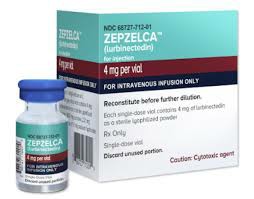
The combination of rubicatin and irinotecan has shown promising efficacy in multiple studies. Especially in patients with small cell lung cancer (SCLC), the potential of this combination is particularly significant. Small cell lung cancer, one of the most challenging subtypes of lung cancer, often responds initially to chemotherapy, but as treatment continues, patients often rapidly develop drug resistance, leading to disease progression.
In clinical trials, the combined use of rubicatin and irinotecan has shown that the combined use of the two can effectively delay the progression of the disease. Studies have shown that this treatment combination can prolong progression-free survival (PFS) and improve overall survival (OS) in patients with advanced small cell lung cancer who have not received multiple lines of treatment. In addition, the treatment combination has been shown to be able to overcome resistance to single chemotherapy drugs to some extent.
Compared with traditional chemotherapy regimens, double-drug therapy with rubicatin combined with irinotecan has shown better anti-tumor effects in some patients. For example, in an itemIn phase II clinical trials, patients with small cell lung cancer who received combination therapy had a higher objective response rate (ORR), which means that more patients can benefit from the treatment. In addition, combined treatment also reduces the possibility of patient recurrence after chemotherapy to a certain extent and improves the long-term effect of treatment.
It should be noted that the efficacy of combination therapy may vary among different patient groups. The specific effect is closely related to factors such as the patient's age, physical condition, cancer stage and other underlying diseases. Therefore, the specific effect of combination therapy should be assessed on an individual patient basis.
Reference materials:https://www.zepzelca.com/
[ 免责声明 ] 本页面内容来自公开渠道(如FDA官网、Drugs官网、原研药厂官网等),仅供持有医疗专业资质的人员用于医学药学研究参考,不构成任何治疗建议或药品推荐。所涉药品可能未在中国大陆获批上市,不适用于中国境内销售和使用。如需治疗,请咨询正规医疗机构。本站不提供药品销售或代购服务。


