
.jpeg)
How long does it take to stop taking clofazimine? What are the discontinuation criteria and precautions during treatment?
Clofazimine (Clofazimine) is a drug used to treat leprosy and some forms of drug-resistant tuberculosis, often in combination with other drugs. When treating leprosy, clofazimine is generally used for a long time, and the treatment period is usually 6 months to 1 years. The specific withdrawal time is determined by the patient's condition and treatment response.
For patients with leprosy, criteria for discontinuation are usually based on clinical efficacy and laboratory test results. Doctors may consider discontinuing the drug if a patient's leprosy symptoms are significantly relieved and the active infection with leprosy is controlled through skin, neurological, or blood tests. However, the chronic nature of leprosy requires long-term treatment, and doctors will decide when to stop medication based on the patient's specific situation. Therefore, patients should be reviewed regularly during treatment to ensure that the infection is effectively controlled.
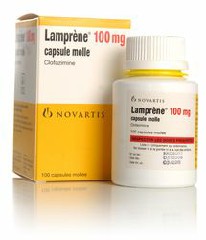
Clofazimine may also be used as part of long-term treatment in patients with drug-resistant TB. Treatment cycles are usually longer and may take several months or even longer. The criteria for stopping treatment are usually when drug resistance of tuberculosis bacteria is effectively controlled and there is no recurrence of new infections. Doctors may use sputum testing, imaging examinations, and improvement in clinical symptoms to determine whether the drug can be discontinued. During the treatment process, the patient's treatment response should be closely monitored to prevent recurrence of tuberculosis.
During discontinuation, patients need to pay special attention to signs of disease recurrence. For example, leprosy patients need to pay attention to skin changes and recurrence of neurological symptoms; tuberculosis patients need regular imaging and microbiological examinations to ensure that there is no new recurrence of tuberculosis. In addition, patients should follow the doctor's advice and avoid stopping or adjusting medication on their own, so as not to affect the treatment effect.
Clofazimine may cause side effects such as skin pigmentation and gastrointestinal discomfort during long-term use. After patients stop taking the drug, they still need to continue to be monitored for the occurrence of adverse reactions or the continuation of side effects. At the same time, leprosy patients still need regular follow-up after stopping the drug to ensure that their condition is stable.
In short, the decision to discontinue clofazimine should be made by doctors based on the patient's condition and treatment response. Patients should pay close attention to their health status during treatment and after discontinuation of medication, and undergo regular examinations to ensure that the disease is effectively controlled and to avoid recurrence.
Reference materials:https://www.novartis.com/our-products/pipeline/clofazimine
[ 免责声明 ] 本页面内容来自公开渠道(如FDA官网、Drugs官网、原研药厂官网等),仅供持有医疗专业资质的人员用于医学药学研究参考,不构成任何治疗建议或药品推荐。所涉药品可能未在中国大陆获批上市,不适用于中国境内销售和使用。如需治疗,请咨询正规医疗机构。本站不提供药品销售或代购服务。


