
.jpeg)
What is the mechanism of action of mitotane? How to inhibit the growth of cancer cells?
Mitotane (Mitotane) is an anti-tumor drug mainly used to treat adrenocortical cancer (ACC). Its mechanism of action is relatively complex and involves interference with multiple biological pathways within cells. Mitotane binds to the mitochondria of adrenocortical cells and inhibits their function, thereby interfering with the normal metabolic activities of the cells. Mitochondria are the energy factories of cells. Mitotane disrupts the energy supply of adrenocortical cancer cells by damaging the structure and function of mitochondria, thereby affecting their survival and proliferation.
Mitotane exerts anti-tumor effects by acting directly on adrenocortical cells, specifically affecting their ability to synthesize steroids. It inhibits key enzymes for steroid synthesis in adrenocortical cells and reduces the synthesis of adrenocortical hormones (such as cortisol and aldosterone). These steroid hormones have a certain supporting effect on the growth and spread of cancer cells. Therefore, the application of mitotane can reduce the concentrations of these hormones and inhibit the proliferation and survival of cancer cells.
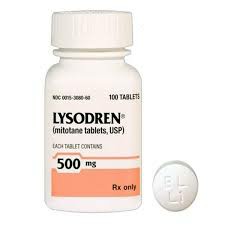
Mitotane also limits the growth of tumor cells by disrupting their metabolic pathways. Tumor cells usually have abnormally active metabolic processes and maintain rapid proliferation by enhancing glucose metabolism and fatty acid synthesis. By inhibiting these metabolic pathways, mitotane reduces the energy and nutrients required by tumor cells, thereby limiting their ability to proliferate. This interference with cancer cell metabolism makes mitotane an effective anti-tumor drug, especially important in the treatment of adrenocortical cancer.
Mitotane can also induce apoptosis (programmed cell death) in adrenocortical cancer cells. It activates the intracellular apoptosis signaling pathway by changing the internal environment of cancer cells. The application of mitotane can activate a variety of apoptosis-related molecules, such as intracellular apoptotic proteins and pro-apoptotic factors. The activation of these molecules further promotes the suicidal death of cancer cells and helps control tumor expansion and metastasis.
Reference materials:https://go.drugbank.com/drugs/DB00648
[ 免责声明 ] 本页面内容来自公开渠道(如FDA官网、Drugs官网、原研药厂官网等),仅供持有医疗专业资质的人员用于医学药学研究参考,不构成任何治疗建议或药品推荐。所涉药品可能未在中国大陆获批上市,不适用于中国境内销售和使用。如需治疗,请咨询正规医疗机构。本站不提供药品销售或代购服务。


