
.jpeg)
What are the adverse reactions of ivonib? How to reduce side effects?
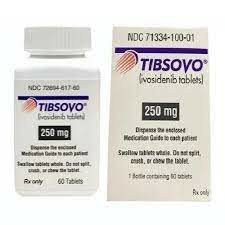
Ivosidenib is a targeted drug used to treat certain types of leukemia, especially acute myeloid leukemia (AML) patients who carry IDH1 mutations. Although ivonib has shown significant therapeutic effects in clinical practice, like all drugs, it may also cause certain adverse reactions. Understanding and managing these side effects is critical to ensuring the safety and effectiveness of patient treatments.
Common adverse reactions
The most common adverse reactions of ivosidenib include liver problems, such as abnormal liver function (ALT, AST elevations) and jaundice. These symptoms may reflect the drug's effect on the liver, so doctors often order regular liver function tests during treatment with ivonib to detect potential liver problems early. In addition, patients may also experience gastrointestinal discomfort such as loss of appetite, nausea, and vomiting, especially in the early stages of treatment.
Another common side effect is hematological abnormalities such as anemia, leukopenia, and thrombocytopenia. Since these hematological problems may cause patients to have reduced immune system function or be prone to bleeding, patients need to closely monitor blood routine indicators, communicate with doctors in a timely manner, and adjust treatment plans. Some patients may also experience symptoms such as headache and fatigue, which are also common side effects of ivonib treatment.
How to reduce side effects
1.Regular monitoring of liver function: In view of the possibility that ivonib may cause abnormal liver function, patients should undergo regular liver function tests during treatment, especially in the early stages of treatment. If significant abnormalities in liver function indicators are found, the patient may need to adjust the dose or suspend medication until liver function recovers before continuing treatment. In addition, avoiding alcohol and other liver-damaging substances can help reduce the stress on the liver caused by medications.
2. Reasonable management of hematological abnormalities: For hematological abnormalities such as anemia and leukopenia, patients can relieve symptoms by adjusting the drug dosage or temporarily stopping the drug. In some cases, doctors may recommend growth factors (such as granulocyte stimulating factor) or other drugs to increase blood cell numbers. Patients should seek medical attention immediately if they develop bleeding tendencies or symptoms of infection.
3.Gastrointestinal symptom management: Gastrointestinal discomforts such as nausea and vomiting can be relieved by adjusting diet and medication. For example, patients can eat small meals more often, avoid greasy and spicy foods, and take medication after meals to reduce gastrointestinal discomfort. For people with more severe nausea, doctors may recommend antiemetics to control symptoms.
4.Maintain good living habits: In order to reduce fatigue, headache and other symptoms, patients should maintain adequate rest, avoid overexertion, and maintain moderate exercise. Maintaining a healthy daily routine, eating a balanced diet, and avoiding excessive mood swings can also help build your body's tolerance.
In short, as a targeted therapy drug, ivonib may cause some side effects during the treatment process. Patients should regularly monitor various examination indicators according to the doctor's guidance and adjust treatment plans in a timely manner to minimize the impact of side effects. At the same time, through good lifestyle and reasonable drug management, the smooth progress of treatment can be effectively improved and the patient's therapeutic effect can be ensured.
Reference link:https://www.tibsovo.com/
[ 免责声明 ] 本页面内容来自公开渠道(如FDA官网、Drugs官网、原研药厂官网等),仅供持有医疗专业资质的人员用于医学药学研究参考,不构成任何治疗建议或药品推荐。所涉药品可能未在中国大陆获批上市,不适用于中国境内销售和使用。如需治疗,请咨询正规医疗机构。本站不提供药品销售或代购服务。


