
.jpeg)
How is ibrutinib used? How do patients take medications correctly?
Ibrutinib is an oral BTK (Bruton's tyrosine kinase) inhibitor that is widely used to treat chronic lymphocytic leukemia (CLL), small lymphocytes Hematological malignancies such as lymphoma (SLL), mantle cell lymphoma (MCL) and Waldenstrom's macroglobulinemia (WM). Proper medication administration is crucial to ensure drug efficacy and reduce side effects.
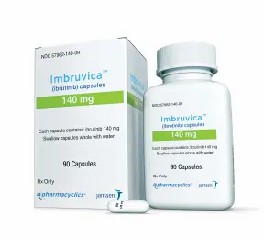
1. Recommended dose and administration: The recommended dose of ibrutinib depends on the specific indication. For example, the usual dose for CLL/SLL patients is usually 420mg (one time 4 pills, each pill 105mg), each Once a day, the dose for patients with MCL may be 560 mg (a dose of 4 capsules, each capsule is 140 mg), once a day. This medication should be swallowed whole and not broken, crushed, or chewed to ensure the sustained-release properties of the medication. In addition, ibrutinib is not affected by food and can be taken with or without food. However, to avoid gastrointestinal discomfort, it is recommended to take it at the same time every day and swallow it with a full glass of water.
2. Precautions while taking ibrutinib: Patients should avoid taking citrus fruits such as grapefruit and bitter orange or their juices while taking ibrutinib, because these foods may affect the liver enzyme system and change drug metabolism, thereby affecting its efficacy or increasing side effects. In addition, ibrutinib is mainly metabolized by CYP3A4 and may interact with certain drugs (such as antifungals, certain antibiotics, antiepileptic drugs), so you should consult your doctor before using other drugs together. If the patient misses a dose, he should not take it again, but should continue to take the medicine at the normal time to avoid fluctuations in blood drug concentration.
3. Dose adjustment and special populations: For patients who experience serious side effects, such as severe infection, bleeding, cardiac arrhythmia or abnormal liver function, the dose may need to be adjusted or even the medication suspended. In general, mild adverse reactions can be alleviated through symptomatic treatment, but for toxic reactions of grade 3 or above, doctors may recommend suspending medication until symptoms are relieved, and then resuming medication at a lower dose. In addition, elderly patients or those with impaired liver and kidney function may need to adjust the dose according to individual conditions to reduce the risk of adverse reactions.
4. Monitoring and management during medication: Patients should regularly receive routine blood tests, liver and kidney function tests and electrocardiogram monitoring while taking ibrutinib, so as to detect possible side effects as early as possible. In particular, patients with bleeding tendencies, infection risks, or cardiovascular disease need to pay close attention to symptoms such as skin bruising, nose bleeding, persistent cough, difficulty breathing, or abnormal heart rhythm. In addition, ibrutinib may increase the risk of postoperative bleeding. Therefore, if you need to undergo invasive procedures such as surgery or tooth extraction, it is recommended to stop taking the drug 3-7 days in advance and resume taking the drug according to the doctor's advice after the operation. By following proper dosing regimen and regular monitoring, patients can maximize the effectiveness of ibrutinib while minimizing unnecessary side effects.
Reference materials:https://www.imbruvica.com/
[ 免责声明 ] 本页面内容来自公开渠道(如FDA官网、Drugs官网、原研药厂官网等),仅供持有医疗专业资质的人员用于医学药学研究参考,不构成任何治疗建议或药品推荐。所涉药品可能未在中国大陆获批上市,不适用于中国境内销售和使用。如需治疗,请咨询正规医疗机构。本站不提供药品销售或代购服务。


