
.jpeg)
Important information and precautions in the drug package insert of acalatinib
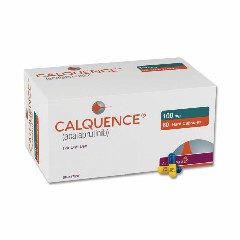
Acalabrutinib is a selective BTK tyrosine kinase) inhibitors, mainly used to treat chronic lymphocytic leukemia (CLL), small lymphocytic lymphoma (SLL) and mantle cell lymphoma (MCL). The drug controls disease progression by inhibiting the BTK signaling pathway and blocking B cell proliferation and survival. To ensure the safe and effective use of acotinib, patients should understand the key contents in its package insert, including indications, dosage, adverse reactions, and precautions.
1. Indications and recommended dosage
Acotinib is suitable for the following situations:
CLL/SLLPatients: monotherapy or in combination withobinutuzumab (octuzumab);
MCLPatients: Applicable to relapsed or refractory patients who have received at least one systemic therapy in the past.
The recommended dose is 100mg, 2 times a day (approximately 12 hours apart), taken orally. It is recommended to swallow the tablets whole and do not chew, crush or break them. It can be taken with food or on an empty stomach, but it should be avoided to be taken at the same time with drugs that affect gastric acid secretion (such as proton pump inhibitors) to avoid affecting drug absorption. If the patient misses a dose, the dose can be taken within 3 hours. If the dose exceeds 3 hours, the dose should be skipped and the dose should not be doubled.
2. Main adverse reactions and countermeasures
Although acotinib is more selective than ibrutinib (Ibrutinib) and has relatively fewer adverse reactions, it may still cause the following side effects:
Bleeding risk:BTKInhibitors may affect platelet function, leading to skin bruising, nosebleeds, gum bleeding, and even severe bleeding (eg, gastrointestinal bleeding, intracranial hemorrhage). Patients should avoid aspirin, nonsteroidal anti-inflammatory drugs (NSAIDs), or anticoagulants unless directed by their doctor. If severe bleeding occurs, seek medical attention immediately.
Increased risk of infection: Acotinib may cause neutropenia, making patients more susceptible to pneumonia, urinary tract infections, or viral infections. Blood routine should be monitored regularly during medication. If fever, chills or other symptoms of infection occur, seek medical attention promptly.
Cardiotoxicity: Some patients may develop atrial fibrillation (atrial fibrillation), high blood pressure, or heart palpitations. Therefore, patients with cardiovascular disease should closely monitor their electrocardiogram and blood pressure while taking this drug. If they experience irregular heartbeat or chest pain, they should seek medical attention promptly.
Gastrointestinal reactions: Common side effects include nausea, vomiting, diarrhea and constipation. It is recommended that patients drink more water when taking the medicine, pay attention to dietary adjustments, and use antiemetics or antidiarrheals under the guidance of a doctor if necessary.
Headache and fatigue: Some patients may experience headache, drowsiness or fatigue in the early stages of taking the medication, which generally resolve gradually over time. If the symptoms are obvious, you may consider reducing the dose or adjusting the medication time.
3. Drug interactions and contraindications
The metabolism of acotinib mainly relies onCYP3A enzyme, so when combined with certain drugs, it may affect the efficacy or increase side effects:
Avoid co-administration with strongCYP3A inhibitors (such as clarithromycin, itraconazole, ritonavir), otherwise it may increase the plasma concentration of acotinib and increase the risk of toxicity;
Avoid co-administration with CYP3A inducers (such as rifampin, carbamazepine, phenytoin), as these drugs will reduce the efficacy of acotinib;
Avoid taking it with proton pump inhibitors (such as omeprazole, esomeprazole), as it will reduce the absorption of acotinib. If you need to reduce gastric acid, consider using H2 receptor antagonists or antacids (but they need to be taken 2 hours apart).
In addition, acotinib is not recommended for use in pregnant or breastfeeding women due to the potential for adverse effects on the fetus or newborn. Effective contraceptive measures should be taken while taking it, and contraception must be continued for at least 1 week after stopping the drug.
4. Other usage precautions
Regularly monitor blood routine, liver and kidney function to detect and manage potential adverse reactions in a timely manner;
Stop taking medication at least3-7 days before surgery or invasive procedures to reduce the risk of bleeding. Doctors will decide when to resume medication after postoperative evaluation;
If serious side effects occur (such as Grade 3 or above infection, bleeding, elevated liver enzymes, etc.), the medication should be suspended, and the dosage should be adjusted or the treatment plan changed under the guidance of a doctor.
Acotinib is a highly selective BTK inhibitor that has significant efficacy in the treatment of CLL, SLL and MCL and other B cell lymphomas. When using this drug, patients should strictly adhere to the recommended dosage and be aware of possible adverse reactions, such as bleeding, infection, cardiac arrhythmia, and gastrointestinal discomfort. In addition, drug interactions related to CYP3A metabolism should be avoided and health status should be monitored regularly during use. Rational use of acotinib can effectively control the disease and improve the patient's quality of life. However, if serious side effects occur, you should communicate with your doctor in time to ensure the safety and effectiveness of the medication.
Reference materials:https://www.calquence.com/
[ 免责声明 ] 本页面内容来自公开渠道(如FDA官网、Drugs官网、原研药厂官网等),仅供持有医疗专业资质的人员用于医学药学研究参考,不构成任何治疗建议或药品推荐。所涉药品可能未在中国大陆获批上市,不适用于中国境内销售和使用。如需治疗,请咨询正规医疗机构。本站不提供药品销售或代购服务。


