
.jpeg)
What are the adverse reactions of entrectinib? How to recognize and deal with these reactions?
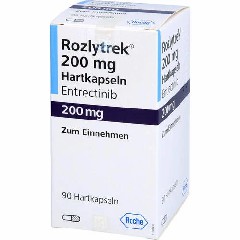
Entrectinib is a targeted inhibitor of TRK, ROS1 and ALK , mainly used to treat solid tumors with NTRK gene fusion and ROS1-positive non-small cell lung cancer (NSCLC). Although the drug has shown good efficacy in treating specific types of tumors, patients may still experience varying degrees of adverse reactions during use.
1. Nervous system and gastrointestinal reactions
Entrectinib may cause neurological adverse reactions such as dizziness, cognitive impairment, paresthesias, ataxia (unsteady gait), etc. These side effects usually occur in the early stages of treatment, and some patients will be relieved as the medication time is extended. If the patient develops severe neurological symptoms, such as confusion, decreased coordination, or severe dizziness, he or she should seek medical advice promptly to evaluate whether the dose needs to be adjusted or medication suspended. In addition, entrectinib may cause nausea, vomiting, diarrhea or constipation. Patients should maintain a light diet, avoid irritating foods, and use antiemetics or antidiarrhea drugs under the guidance of a doctor if necessary.
2. Cardiotoxicity and abnormal liver function
Some patients may develop tachycardia, arrhythmias, or prolongation of the QT interval after taking entrectinib, which may cause cardiac discomfort or increase the risk of serious arrhythmias. Therefore, patients should undergo regular electrocardiogram and cardiac function monitoring before taking the drug and during treatment, especially if they have a history of heart disease or are taking drugs that may affect the QT interval, they should be used with caution. Entrectinib may also cause an increase in liver enzymes (AST, ALT), leading to abnormal liver function. Therefore, patients should regularly check liver function during treatment and avoid drinking alcohol or using other drugs that may burden the liver.
3. Weight gain and musculoskeletal discomfort
Enrectinib is different from other TKI drugs in that it may cause significant weight gain, and some patients may gain more than 5% of their weight after several weeks of treatment. This weight gain may be related to increased appetite, metabolic changes, or edema, so patients should control their diet, maintain moderate exercise, and avoid excessive weight gain. In addition, some patients may experience myalgia, joint pain or reduced bone density. If the symptoms are obvious, calcium and vitamin DD can be supplemented under the guidance of a doctor.Or use pain relief medications.
4. Other rare but serious adverse reactions
Entrectinib may cause severe pneumonia, allergic reactions or bone marrow suppression. A few patients may experience dyspnea, fever, severe rash or leukopenia. If such serious adverse reactions occur, the drug should be discontinued immediately and seek medical attention. In addition, some patients may develop hyperuricemia and need to regularly monitor blood uric acid levels and use urate-lowering drugs under the advice of a doctor to prevent gout attacks.
In general, although entrectinib has many adverse reactions, most of them are manageable mild to moderate reactions. Patients should pay close attention to physical changes during use, conduct relevant examinations regularly, and consult a doctor for dose adjustment or auxiliary treatment when necessary to ensure the safety and effectiveness of treatment.
Reference materials:https://www.roche.com/products/rozlytrek
[ 免责声明 ] 本页面内容来自公开渠道(如FDA官网、Drugs官网、原研药厂官网等),仅供持有医疗专业资质的人员用于医学药学研究参考,不构成任何治疗建议或药品推荐。所涉药品可能未在中国大陆获批上市,不适用于中国境内销售和使用。如需治疗,请咨询正规医疗机构。本站不提供药品销售或代购服务。


