
.jpeg)
Sotoraxib Instructions: Detailed guide on how to take this drug correctly
Sotorasib (AMG510, Sotorasib) trade name Lumakras is a targeted therapy drug specifically targeting tumors carrying KRAS G12C mutations. It is the world's first targeted drug approved by the FDA for KRAS G12C mutations and is widely used in the treatment of non-small cell lung cancer (NSCLC) and metastatic colorectal cancer (mCRC). For these types of cancer, KRAS mutations are often a key factor in driving tumor growth and spread, and sotorasiib prevents further proliferation and spread of tumor cells by specifically inhibiting the activity of the KRAS G12C mutant protein. The launch of this drug provides a new treatment option for patients with KRAS mutation-positive advanced lung cancer. To ensure the safe and effective use of sotoraxib, patients need to strictly follow relevant medication guidelines.
1. Indications
Sotoracib is mainly used to treat two types of cancer patients: the first type is patients with locally advanced or metastatic non-small cell lung cancer (NSCLC) carrying KRAS G12C mutations who have received at least one previous systemic therapy; the second type is patients with metastatic colorectal cancer (mCRC) carrying KRAS G12C mutations. For these patients, sotoraxib is approved as a single agent or in combination with other agents, such as panitumumab, for the treatment of metastatic colorectal cancer.
Before using sotoraxib, patients need to confirm whether there is a KRAS G12C mutation in their tumors through FDA-approved testing methods. This is a prerequisite for determining whether this drug is suitable for use.
2. Usage and dosage
The recommended dose of sotorasiib is960 mg (i.e. three 320 mg tablets, or four 240 mg tablets, or eight 120 mg tablets) taken orally once daily. The drug should be taken at the same time, and patients can choose to take it before or after meals. The absorption of the drug is not affected by food.
If the patient misses a dose and it is more than 6 hours before the next dose, the patient should take it as soon as possible; if the missed dose is less than 6 hours, the missed dose should be skipped and the next dose should be taken at the original time. It is important to note that you should not double the dose to make up for a missed dose, as this may increase the risk of adverse drug reactions.
For patients taking sotoraxib, pay close attention to any adverse reactions during treatment. If serious side effects occur, such as abnormal liver function, gastrointestinal discomfort, difficulty breathing, or severe rash, patients should stop taking the drug immediately and consult a doctor. In addition, doctors may adjust the dosage based on the patient's specific condition, especially for the elderly or those with compromised liver function.
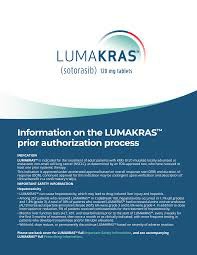
3. Adverse reactions
Like all medicines, sotoraxib may cause some adverse reactions. The most common side effects include fatigue, diarrhea, decreased appetite, nausea, rash, and abnormal liver function. Most of these reactions are mild to moderate and usually resolve with continued treatment. However, in rare cases, severe hepatotoxicity or gastrointestinal reactions may occur, which may even require discontinuation of the medication.
For abnormal liver function, patients should regularly check liver function indicators during treatment, includingALT, AST, bilirubin, etc., in order to detect possible liver damage in time. In addition, rash is another common problem during sotorasib treatment, and patients should report it to their doctor promptly. If the rash worsens or is accompanied by other symptoms, drug use may need to be adjusted.
During treatment with sotoracib, doctors will also closely monitor other physiological indicators of the patient, especially for patients with other underlying diseases, to ensure the safety of the medication.
4. Precautions
Patients should pay special attention to the following points when using sotoraxib:
1. Liver function monitoring: Sotoraxib may cause abnormal liver function. Patients should check liver function regularly to ensure that there is no obvious liver damage.
2. Drug interactions: Sotorasiib is mainly metabolized byCYP3A4 enzyme, so caution is required when combined with CYP3A4 inhibitors or inducers. Strong CYP3A4 inhibitors (such as certain antifungal drugs) may increase the plasma concentration of sotoraxib, while CYP3A4 inducers (such as certain antiepileptic drugs) may reduce its efficacy.
3. Pregnancy and lactation: Sotolaxib may cause harm to the fetus, so this drug should not be used during pregnancy. Women planning pregnancy or nursing mothers should consult a physician before use.
4. Reactions to other drugs: During treatment, patients should inform their doctors of all drugs they are taking, including prescription drugs, over-the-counter drugs, supplements and herbal products, to avoid drug interactions.
5. Medication for Special Populations
The safety and effectiveness of sotoraxib in elderly patients have not been fully established and special caution is required when using it. For patients with hepatic insufficiency, when using sotoraxib, the dose should be appropriately adjusted according to the status of liver function, and liver function should be monitored regularly.
In general, Sotolaxib is a promising drug forDrugs targeting KRAS G12C mutations provide a new treatment option for patients with advanced non-small cell lung cancer and metastatic colorectal cancer. Although most of the side effects of this drug are controllable, patients still need to follow the doctor's instructions during treatment and check relevant indicators regularly to ensure the safety and effectiveness of the treatment.
Reference materials:https://www.lumakras.com/
[ 免责声明 ] 本页面内容来自公开渠道(如FDA官网、Drugs官网、原研药厂官网等),仅供持有医疗专业资质的人员用于医学药学研究参考,不构成任何治疗建议或药品推荐。所涉药品可能未在中国大陆获批上市,不适用于中国境内销售和使用。如需治疗,请咨询正规医疗机构。本站不提供药品销售或代购服务。


