
.jpeg)
Which treatment is more effective, pirfenidone/Axri or nintedanib? Comparison of mechanism of action and applicable groups
Idiopathic Pulmonary Fibrosis (IPF) is a progressive, fatal interstitial lung disease characterized by fibrosis of lung tissue, leading to a gradual decline in lung function and eventually respiratory failure. Currently, Pirfenidone and Nintedanib are the two main anti-fibrotic drugs approved for the treatment of IPF worldwide. Although both can slow down disease progression, there are certain differences in their mechanisms of action, efficacy, applicable groups and side effects. Therefore, when choosing a treatment option, patients need to weigh the characteristics of different drugs to find the option that best suits their condition.
1. Comparison of action mechanisms
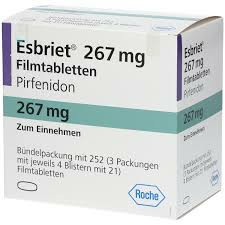
Pirfenidone is a multi-target anti-fibrotic drug. Its main mechanism of action includes inhibiting transforming growth factorβ (TGF-β) and platelet-derived growth factor (PDGF), thereby reducing collagen deposition and reducing abnormal proliferation of the extracellular matrix. In addition, pirfenidone also has antioxidant and anti-inflammatory effects, which can reduce the infiltration of inflammatory cells in the lungs, thereby delaying the process of fibrosis.
Nintedanib is a tyrosine kinase inhibitor (TKI). It mainly inhibits the signaling pathways of various growth factors such as vascular endothelial growth factor (VEGF), fibroblast growth factor (FGF) and platelet-derived growth factor (PDGF), blocking the abnormal proliferation and angiogenesis of fibroblasts, thereby slowing down the progression of IPF. In addition, nintedanib can also reduce the release of inflammatory mediators in lung tissue and play a certain auxiliary role in inhibiting fibrosis.
2. Comparison of treatment effects
Regarding the efficacy of pirfenidone and nintedanib, multiple global Phase III clinical studies have confirmed that both can significantly slow down the rate of decline in lung function in IPF patients and reduce the risk of acute exacerbation.
In the pivotal clinical trial of pirfenidone (ASCEND study), researchers followed 278 IPF patients for 52 weeks. The results showed that the decline in vital capacity in the pirfenidone treatment group was 47% lower than that in the placebo group, and the risk of disease progression was significantly reduced. In addition, patients in the pirfenidone group had a smaller decrease in 6-minute walking distance (6MWD), suggesting that it may have a certain protective effect on exercise tolerance.
In the INPULSIS study of nintedanib, 1,066 IPF patients received 52 weeks of treatment. The results showed that nintedanib significantly slowed down the rate of decline in FVC (a measure of lung function), reducing the rate of decline by about 50% compared to the placebo group. In addition, the study also found that nintedanib treatment can reduce the incidence of acute exacerbations of IPF, suggesting that it may have certain advantages in preventing acute exacerbations of the disease.
Although both can slow down the rate of lung function decline, comparing data from different studies, the anti-fibrotic effect of nintedanib is more likely to inhibit disease progression, while pirfenidone may be more advantageous in improving quality of life and exercise tolerance. However, due to the different patient populations and study designs of the two studies, the efficacy of the two studies cannot be directly compared. Therefore, the choice of which drug is more appropriate needs to be taken into consideration based on the patient's condition, tolerance and personal preference.
3. Comparison of applicable groups and tolerance
In terms of applicable populations, both pirfenidone and nintedanib can be used for patients with mild to moderate IPFHowever, in individualized treatment, the two may be more suitable for different types of patients. For example, pirfenidone may be more suitable for patients with a more obvious inflammatory response due to its antioxidant and anti-inflammatory properties, while nintedanib may be more suitable for patients with rapid disease progression due to its potent growth factor inhibitory effect.
In terms of tolerability, both pirfenidone and nintedanib have certain adverse reactions, but their specific manifestations are different. The most common side effects of pirfenidone include gastrointestinal effects (eg, nausea, vomiting, decreased appetite), skin photosensitivity, and liver function abnormalities. Photosensitivity is a unique adverse reaction of pirfenidone. Patients need to avoid sun exposure and use high-power sunscreen while taking the drug. The main side effect of nintedanib is diarrhea. Research shows that about60% of patients will experience diarrhea symptoms after taking nintedanib, but this can usually be relieved by adjusting their diet or using antidiarrheal drugs. In addition, nintedanib may cause elevated liver enzymes and adverse cardiovascular events, so patients with existing liver function abnormalities or cardiovascular disease should use this drug with caution.
Reference materials:https://www.esbriet.com/
[ 免责声明 ] 本页面内容来自公开渠道(如FDA官网、Drugs官网、原研药厂官网等),仅供持有医疗专业资质的人员用于医学药学研究参考,不构成任何治疗建议或药品推荐。所涉药品可能未在中国大陆获批上市,不适用于中国境内销售和使用。如需治疗,请咨询正规医疗机构。本站不提供药品销售或代购服务。


