
.jpeg)
Dali Leisheng Tablets Official Instructions: Usage, Dosage and Precautions
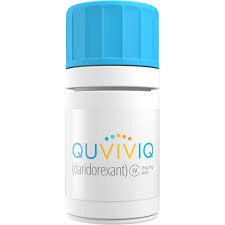
Daridorexant, English nameDaridorexant, trade name Quviviq, is a new orexin receptor antagonist, mainly used to treat the symptoms of insomnia in adult patients, especially those who have difficulty in sleep initiation and/or sleep maintenance. This article will introduce in detail the usage and dosage, indications, precautions and related medical background of Dalilaysan to help patients and medical professionals better understand and use this drug.
1. Indications
DaliRasen is mainly used to treat insomnia symptoms in adult patients. Insomnia is a common sleep disorder characterized by difficulty falling asleep, maintaining sleep, or waking up early, and these symptoms cause significant distress to patients' daily lives. DaliRazen regulates the sleep-wake cycle by antagonizing orexin receptors, thereby improving patients' sleep quality.
2. Usage and dosage
The recommended dosage of DaliRasen is 25 mg to 50 mg once a night. It is recommended to take it orally within 30 minutes before going to bed. To ensure optimal effectiveness of the drug, patients should take it with at least 7 hours remaining before they plan to get up. If patients take Dalilaysan with or shortly after a meal, it may delay the time it takes to fall asleep, so it is recommended to take it on an empty stomach.
For patients with hepatic impairment, the dose may need to be adjusted. The maximum recommended dose for patients with moderate hepatic impairment is 25 mg, no more than once per night; while for patients with severe hepatic impairment, dalirasant is not recommended. Hepatic impairment can affect drug metabolism and clearance, so dosage needs to be adjusted carefully to avoid drug accumulation and potential adverse effects.
3. Precautions
Patients and medical professionals need to pay attention to the following points when using DaliRasen:
1. Liver function impairment: As mentioned above, liver function impairment will affect the metabolism and clearance of dalirasin. The dose should be reduced in patients with moderate hepatic impairment and avoided in patients with severe hepatic impairment. Before initiating treatment, liver function tests are recommended to assess the patient's liver function status.
2. Drug interactions: Dalilaysan may interact with other drugs, especially those passed throughDrugs metabolized by the CYP3A4 enzyme. For example, strong CYP3A4 inhibitors (such as ketoconazole, itraconazole) may increase the plasma concentration of dalirasant, thereby increasing the risk of adverse reactions. Therefore, before using Dalirax, the patient's medication history should be carefully evaluated to avoid potential drug interactions.
3. Central nervous system depression: DaliRaxen may cause central nervous system depression, manifesting as drowsiness, dizziness and other symptoms. Therefore, patients should avoid activities that require a high degree of concentration, such as driving or operating heavy machinery while taking Dalitrax.
4. Dependence: Although DaliRasen is a non-benzodiazepine drug, long-term use may still lead to dependence. Therefore, it is recommended to use the lowest effective dose for the shortest possible time and to regularly assess the patient for treatment response and risk of dependence.
5. Special groups: For the elderly, pregnant women and lactating women, special caution is required when using DaliRasheng. Older adults have a reduced ability to metabolize drugs and may need to adjust their dosage. Safety data in pregnant and lactating women are limited and should be used with caution after weighing the risks and benefits.
Reference materials:https://www.quviviq.com/
[ 免责声明 ] 本页面内容来自公开渠道(如FDA官网、Drugs官网、原研药厂官网等),仅供持有医疗专业资质的人员用于医学药学研究参考,不构成任何治疗建议或药品推荐。所涉药品可能未在中国大陆获批上市,不适用于中国境内销售和使用。如需治疗,请咨询正规医疗机构。本站不提供药品销售或代购服务。


