
.jpeg)
Rubicatin/rubitin withdraw from small cell lung cancer clinical trial? Reasons behind and future prospects
Lurbinectedin is a new type of anti-tumor drug mainly used to treat small cell lung cancer (SCLC) . In recent years, the treatment of small cell lung cancer has faced huge challenges. Although several chemotherapy options are available, the prognosis of the disease remains poor. Rubicatin, as a transcription inhibitor targeting DNA, has shown good anti-tumor activity in early clinical trials and has produced positive therapeutic effects on some patients with small cell lung cancer. However, recent news came out that Rubicatin has withdrawn from relevant clinical trials, a decision that has aroused widespread concern in the medical community.
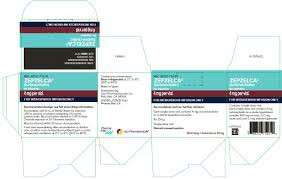
The reason why Rubicatin withdrew from clinical trials was mainly related to its efficacy and safety issues in clinical application. Although rubicatin showed certain efficacy in early-stage studies, in large-scale clinical trials, some patients experienced serious adverse reactions, including bone marrow suppression, liver damage, etc. Especially in elderly patients or patients with multiple comorbidities, the incidence of these adverse reactions is higher, resulting in increased risks of treatment. In addition, the cost of rubicatin has also become a factor that cannot be ignored. The financial burden on patients and medical institutions is significant, which limits the application of the drug.
From another perspective, the withdrawal of Rubicatin also reflects the real challenges in the field of small cell lung cancer. Although scientists are constantly looking for new treatment options, the biology of small cell lung cancer makes the tumors highly resistant to treatment and varies greatly among patients. This makes developing a new drug that is both safe and effective extremely complex.
In addition, advances in immunotherapy and targeted therapy have also provided new hope for the treatment of small cell lung cancer. Some new drugs, such as immune checkpoint inhibitors, have shown certain clinical efficacy and are expected to bring a more positive prognosis to patients with small cell lung cancer.
Reference materials:https://www.zepzelca.com/
[ 免责声明 ] 本页面内容来自公开渠道(如FDA官网、Drugs官网、原研药厂官网等),仅供持有医疗专业资质的人员用于医学药学研究参考,不构成任何治疗建议或药品推荐。所涉药品可能未在中国大陆获批上市,不适用于中国境内销售和使用。如需治疗,请咨询正规医疗机构。本站不提供药品销售或代购服务。


