
.jpeg)
Adagarasib improves prognosis in KRAS G12C mutated lung cancer
Adagrasib had better outcomes than docetaxel in patients with previously treated KRAS G12C-mutated non-small cell lung cancer (NSCLC). This benefit was observed even in patients with baseline brain metastases, according to findings submitted to the Phase 3 KRYSTAL-12 trial (NCT04685135). Among patients with baseline brain metastases, the median intracranial time to progression was 18.6 months (95% CI; 9.6 to not evaluable [NE]) versus NE (95% CI, 4.2 to NE) in the docetaxel group (HR, 0.60; 95% CI, 0.26 to 1.40 months). In addition, the hazard ratio for intracranial progression-free survival (PFS) in patients with brain metastases was 0.93 (95% CI, 0.50-1.73).
The study included453 patients with KRAS G12C-mutated locally advanced/metastatic NSCLC who had previously received platinum-based chemotherapy and anti-PD(L)1 therapy and were randomized in a 2:1 ratio to receive 600 mg BID oral adagrasib or every three weeks 75 mg/m2 intravenously. Patients with treated, neurologically stable brain metastases at baseline were eligible, and 114 patients (25.2%) had baseline brain metastases (78 in the adagrasib group and 36 in the docetaxel group).
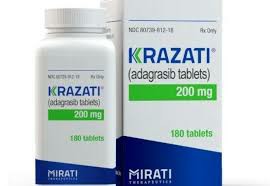
At a median follow-up of 7.2 months, among patients with brain metastases, the median PFS was 4.4 months (95% CI, 3.1-5.8 months) in the adagrasib group and 4.4 months (95% CI, 3.1-5.8 months) in the docetaxel group. S was 2.9 months (95% CI, 2.0-6.2 months); among patients without brain metastases, it was 5.9 months (95% CI, 4.8-7.2) in the adagrasib group and 3.9 months (95% CI, 2.4-5.6) in the docetaxel group.
In addition, in patients with baseline brain metastases (26.9% vs. 2.8%) and patients without baseline brain metastases (33.6% vs. 11.2%), objective results in the adagrasib group The response rate (ORR) was higher than that in the docetaxel group, as was the median duration of response (DOR) in patients with baseline brain metastases (7.4 vs. 5.4 months) and in patients without (8.3 vs. 5.4 months) baseline brain metastases.
Treatment-related adverse events (TRAEs) were reported to be comparable across treatment groups and independent of the presence of baseline brain metastases. Among patients with brain metastases, 94% of patients in the adagrasib group and 86% of patients in the docetaxel group experienced TRAEs. Among patients without brain metastases, 94% of patients in the adagrasib group and 87% of patients in the docetaxel group developed TRAEs. There were 5 treatment-related deaths, 4 of which were in the adagrasib group without brain metastasis, and 1 was in the docetaxel group with brain metastasis.
Adagorasib demonstrated superior intracranial efficacy than docetaxel in the treatment of neurologically stable patients with baseline brain metastases. Systemic overall response rate, duration of response, and PFS were numerically higher with adagrasib compared with docetaxel regardless of the presence of brain metastases, and the safety profile of adagrasib versus docetaxel was comparable in patients with and without brain metastases and consistent across all randomized patients. Collectively, these results clearly validate adagrasib as an effective treatment option for patients with baseline brain metastases from KRAS G12C-mutant NSCLC, including previously treated patients.
Reference materials:https://www.oncnursingnews.com/view/adagrasib-boosts-outcomes-in-kras-g12c-mutated-lung-cancer
[ 免责声明 ] 本页面内容来自公开渠道(如FDA官网、Drugs官网、原研药厂官网等),仅供持有医疗专业资质的人员用于医学药学研究参考,不构成任何治疗建议或药品推荐。所涉药品可能未在中国大陆获批上市,不适用于中国境内销售和使用。如需治疗,请咨询正规医疗机构。本站不提供药品销售或代购服务。


