
.jpeg)
What precautions should be taken during the use of cimepilimab? How to ensure the safety and effectiveness of treatment?
Cemiplimab (Cemiplimab) is a PD-1 inhibitor, an immune checkpoint inhibitor, used to treat a variety of cancers, including advanced or metastatic cutaneous squamous cell carcinoma (CSCC) and non-small cell lung cancer (NSCLC). By inhibiting the binding of the PD-1 receptor and its ligand PD-L1, cimepilimab can activate the T cell immune response and enhance the body's immune surveillance of cancer cells. This mechanism makes cimepilimab an important advance in the field of immunotherapy, helping patients achieve better outcomes when there are no other effective treatment options.
Although cimepilimab has shown significant efficacy in the treatment of various malignant tumors, its use may cause immune-related adverse reactions. These side effects may include rash, fatigue, diarrhea, liver damage, etc. More serious immune-related side effects may involve multiple organ systems, such as pneumonia, hepatitis, endocrine disorders, etc. In order to ensure the safety of treatment, doctors usually require patients to conduct regular liver function, kidney function, blood routine and other tests. Moreover, patients should pay special attention to any unusual symptoms during treatment and report them to the doctor in time to avoid further worsening of side effects.
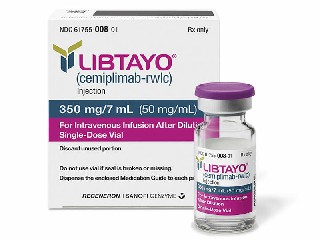
To reduce the occurrence of side effects, the use of cimepilimab should strictly follow the instructions of your doctor. Before treatment begins, doctors usually evaluate the patient's physical condition, especially the health of their immune system. For those patients with a history of immune diseases, caution should be used to avoid excessive immune responses. In addition, once severe immune-related side effects occur, treatment may need to be suspended or discontinued, and patients may also need to receive immunosuppressive therapy, such as oral or intravenous glucocorticoids to relieve symptoms. During treatment, patients should return for regular follow-up visits to ensure that possible side effects are monitored and timely intervention is provided.
In order to maximize the effectiveness and safety of treatment, patients should follow the doctor's treatment plan and undergo personalized management when receiving cimepilimab. During treatment, patients should ensure they take their medications on time and complete all prescribed tests. The doctor will adjust the dosage or treatment cycle based on the patient's response to treatment. In addition, the efficacy of cimepilimab may also be enhanced in certain circumstances when combined with other treatment modalities, such as chemotherapy or targeted therapy. The patient's lifestyle, diet, and cooperation with treatment are also important factors that affect the effectiveness of treatment. Therefore, during treatment, patients should maintain a healthy lifestyle and avoid factors that may affect the immune system.
Reference materials:https://www.libtayohcp.com/
[ 免责声明 ] 本页面内容来自公开渠道(如FDA官网、Drugs官网、原研药厂官网等),仅供持有医疗专业资质的人员用于医学药学研究参考,不构成任何治疗建议或药品推荐。所涉药品可能未在中国大陆获批上市,不适用于中国境内销售和使用。如需治疗,请咨询正规医疗机构。本站不提供药品销售或代购服务。


