
.jpeg)
What are the side effects of Vericiguat tablets?
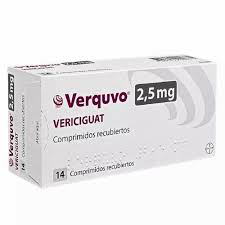
Vericiguat, a soluble guanylate cyclase (sGC) stimulator, is used to treat patients with chronic heart failure and reduced ejection fraction to reduce the risk of hospitalization due to worsening heart failure. Although the drug has shown good safety and tolerability in clinical trials, it may still cause certain adverse reactions. The following are the main side effects and effects of Vericiguat:
1. Hypotension
The main mechanism of action of vericiguat is to promote vasodilation, so one of the most common adverse effects is hypotension. Low blood pressure may cause dizziness, fatigue, blurred vision, and even syncope, especially when standing or suddenly changing position. The risk of hypotension may be higher for patients with underlying hypotension or those taking other antihypertensive drugs (such as nitrates, phosphodiesterase-5 inhibitors, etc.). Therefore, it is recommended to monitor blood pressure regularly while taking the medication and avoid sudden standing or strenuous exercise.
2. Anemia
In clinical trials, some patients in the vericiguat-treated group experienced a decrease in hemoglobin levels, resulting in anemia. Common symptoms of anemia include fatigue, paleness, heart palpitations, dizziness, and shortness of breath. For patients with a history of anemia, hemoglobin levels should be monitored regularly during treatment, and the dose should be adjusted or corresponding interventions taken if necessary.
3. Gastrointestinal Disorders
A small number of patients have reported muscle or joint pain while taking vericiguat. This may be related to the effect of the drug on hemodynamics or individual differences. Generally speaking, such symptoms are mild and will not affect the continued use of the drug. However, if patients experience severe or persistent musculoskeletal pain, they should consult their doctor to determine whether a dose adjustment or medication change is needed.
5. Dizziness and Fatigue
Because vericiguat affects vasodilation and blood pressure regulation, some patients may experience mild dizziness or fatigue after taking the drug. These symptoms usually resolve as you adjust to the medication, but if symptoms persist or worsen, your dose may need to be adjusted or other treatment options considered.
6. Drug Interactions
Vericiguat may interact with certain medications, increasing the risk of side effects. For example:
Concomitant use with nitrates (such as nitroglycerin) or phosphodiesterase-5 (PDE-5) inhibitors (such as sildenafil) may cause severe hypotension and even shock, so combined use should be avoided.
Combined use with strong P-gp/BCRP inhibitors (such as cyclosporine) may affect the metabolism of vericiguat, increase drug concentration, and increase the risk of adverse reactions.
7. Other rare side effects
Although less common, some patients may experience symptoms such as headache, palpitations, or rash. If patients experience severe discomfort while taking vericiguat, they should communicate with their doctor promptly to evaluate whether the treatment plan needs to be adjusted.
How can I reduce the risk of side effects?
1. Take the medicine as directed by the doctor: Take Vericiguat strictly according to the doctor's advice and avoid increasing or decreasing the dose on your own.
2. Monitor blood pressure and blood routine: Measure blood pressure regularly, especially during the initial treatment phase or when other antihypertensive drugs are combined. In addition, hemoglobin levels should be monitored to prevent anemia.
3. Pay attention to changes in body position: Avoid standing up suddenly while taking the medicine to reduce the risk of dizziness or syncope caused by low blood pressure.
4. Pay attention to physical changes: If severe discomfort occurs, such as persistent hypotension, obvious anemia symptoms or severe gastrointestinal reactions, seek medical attention as soon as possible.
5. Avoid combination with certain drugs: When taking other drugs, you need to consult your doctor whether it will interact with Vericiguat.
As a new type of heart failure treatment drug, vericiguat has good efficacy and tolerability, but it may still cause side effects such as hypotension, anemia, gastrointestinal discomfort, musculoskeletal pain, dizziness and fatigue. In addition, special attention needs to be paid to possible interactions when this drug is combined with other antihypertensive drugs or certain metabolic inhibitors. During clinical use, the medication regimen should be reasonably monitored and adjusted according to the patient's specific conditions to minimize the occurrence of adverse reactions and ensure the safety and effectiveness of the treatment.
Reference: https://www.gilead.com
1. Hypotension
The main mechanism of action of vericiguat is to promote vasodilation, so one of the most common adverse effects is hypotension. Low blood pressure may cause dizziness, fatigue, blurred vision, and even syncope, especially when standing or suddenly changing position. The risk of hypotension may be higher for patients with underlying hypotension or those taking other antihypertensive drugs (such as nitrates, phosphodiesterase-5 inhibitors, etc.). Therefore, it is recommended to monitor blood pressure regularly while taking the medication and avoid sudden standing or strenuous exercise.
2. Anemia
In clinical trials, some patients in the vericiguat-treated group experienced a decrease in hemoglobin levels, resulting in anemia. Common symptoms of anemia include fatigue, paleness, heart palpitations, dizziness, and shortness of breath. For patients with a history of anemia, hemoglobin levels should be monitored regularly during treatment, and the dose should be adjusted or corresponding interventions taken if necessary.
3. Gastrointestinal Disorders
Some patients may experience gastrointestinal discomfort, such as nausea, vomiting, diarrhea, abdominal pain, or indigestion after taking vericiguat. These symptoms are usually mild and can resolve without special treatment in most cases. However, if patients experience severe or persistent gastrointestinal symptoms, they should seek medical treatment promptly and adjust their medication under the guidance of a doctor.
A small number of patients have reported muscle or joint pain while taking vericiguat. This may be related to the effect of the drug on hemodynamics or individual differences. Generally speaking, such symptoms are mild and will not affect the continued use of the drug. However, if patients experience severe or persistent musculoskeletal pain, they should consult their doctor to determine whether a dose adjustment or medication change is needed.
5. Dizziness and Fatigue
Because vericiguat affects vasodilation and blood pressure regulation, some patients may experience mild dizziness or fatigue after taking the drug. These symptoms usually resolve as you adjust to the medication, but if symptoms persist or worsen, your dose may need to be adjusted or other treatment options considered.
6. Drug Interactions
Vericiguat may interact with certain medications, increasing the risk of side effects. For example:
Concomitant use with nitrates (such as nitroglycerin) or phosphodiesterase-5 (PDE-5) inhibitors (such as sildenafil) may cause severe hypotension and even shock, so combined use should be avoided.
Combined use with strong P-gp/BCRP inhibitors (such as cyclosporine) may affect the metabolism of vericiguat, increase drug concentration, and increase the risk of adverse reactions.
7. Other rare side effects
Although less common, some patients may experience symptoms such as headache, palpitations, or rash. If patients experience severe discomfort while taking vericiguat, they should communicate with their doctor promptly to evaluate whether the treatment plan needs to be adjusted.
How can I reduce the risk of side effects?
1. Take the medicine as directed by the doctor: Take Vericiguat strictly according to the doctor's advice and avoid increasing or decreasing the dose on your own.
2. Monitor blood pressure and blood routine: Measure blood pressure regularly, especially during the initial treatment phase or when other antihypertensive drugs are combined. In addition, hemoglobin levels should be monitored to prevent anemia.
3. Pay attention to changes in body position: Avoid standing up suddenly while taking the medicine to reduce the risk of dizziness or syncope caused by low blood pressure.
4. Pay attention to physical changes: If severe discomfort occurs, such as persistent hypotension, obvious anemia symptoms or severe gastrointestinal reactions, seek medical attention as soon as possible.
5. Avoid combination with certain drugs: When taking other drugs, you need to consult your doctor whether it will interact with Vericiguat.
As a new type of heart failure treatment drug, vericiguat has good efficacy and tolerability, but it may still cause side effects such as hypotension, anemia, gastrointestinal discomfort, musculoskeletal pain, dizziness and fatigue. In addition, special attention needs to be paid to possible interactions when this drug is combined with other antihypertensive drugs or certain metabolic inhibitors. During clinical use, the medication regimen should be reasonably monitored and adjusted according to the patient's specific conditions to minimize the occurrence of adverse reactions and ensure the safety and effectiveness of the treatment.
Reference: https://www.gilead.com
[ 免责声明 ] 本页面内容来自公开渠道(如FDA官网、Drugs官网、原研药厂官网等),仅供持有医疗专业资质的人员用于医学药学研究参考,不构成任何治疗建议或药品推荐。所涉药品可能未在中国大陆获批上市,不适用于中国境内销售和使用。如需治疗,请咨询正规医疗机构。本站不提供药品销售或代购服务。


