
.jpeg)
The application effect of selinesol in the treatment of myelofibrosis
Myelofibrosis (MF) is a chronic myeloproliferative neoplasm characterized by myelofibrosis, abnormal hematopoiesis, splenomegaly and systemic inflammatory state. Its treatment currently mainly relies on JAK inhibitors, such as Ruxolitinib, but some patients may be intolerant or resistant to them. Therefore, new treatment strategies for these patients are constantly being explored. Selinexor, a selective nuclear export protein XPO1 inhibitor, has attracted widespread attention in recent years.
1. Mechanism of action of selinesol
Selinesol inhibitsXPO1 (exportin-1), preventing tumor suppressor proteins (such as p53, Rb, FOXO, etc.) from being exported out of the nucleus by mistake, thereby enhancing the anti-cancer activity of these proteins. In addition, selinesol can also reduce the levels of a variety of pro-inflammatory cytokines, including IL-6, TNF-α, etc., which is crucial for controlling the inflammatory state in patients with myelofibrosis. Meanwhile, overexpression of XPO1 is common in patients with myelofibrosis, suggesting that it may play a key role in disease progression. Therefore, selinesol targeting XPO1 is considered a potential new therapy.
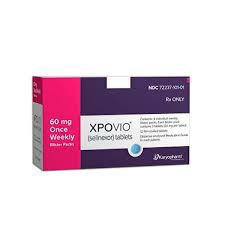
2. Clinical research and therapeutic effects
Currently, multiple clinical studies are evaluating the efficacy of selinesol in the treatment of myelofibrosis. A pivotal phase II clinical trial (ESSENTIAL study) evaluated the efficacy and safety of seliniso alone or in combination with ruxolitinib in the treatment of myelofibrosis. The study results show that for patients who are resistant or ineffective to JAK inhibitors, selinesol can improve spleen volume reduction (SPV) and symptom score (TSS) to a certain extent.
Another study showed that about 30%-40% of patients taking selinesol had a reduction in spleen volume of more than 35% at 12 weeks of treatment, suggesting the drug has some potential in improving myelofibrosis-related spleen enlargement. At the same time, some patients' clinical manifestations such as fatigue symptoms, bone pain, and anemia have also been relieved. In addition, the researchers also observed that some patients treated with selinesol showed a decrease in the degree of myelofibrosis, which may be related to the drug's regulatory effect on the hematopoietic stem cell microenvironment.
3. Adverse reactions and safety
Although selinesol has shown certain efficacy in the treatment of myelofibrosis, its side effects cannot be ignored. Common adverse reactions include nausea, decreased appetite, fatigue, thrombocytopenia, and anemia. Because patients with myelofibrosis already have hematopoietic abnormalities, selinesol may further aggravate myelosuppression. Therefore, during treatment, the patient's blood routine needs to be monitored regularly and the dosage adjusted according to the situation. In addition, because selinesol may affect electrolyte balance, patients need to add additional fluids and pay close attention to electrolyte levels such as sodium, potassium, and magnesium.
4. The future development of Seleniso
Although selinesol is not yet widely approved for the treatment of myelofibrosis, its performance in clinical trials suggests that it may become an important option for patients who are resistant to JAK inhibitors. In the future, researchers may explore its use in combination with other drugs, such as JAK inhibitors, anti-fibrotic drugs or immunomodulators, to further improve efficacy and reduce side effects. In addition, larger clinical studies still need to be conducted to verify its long-term safety and effectiveness.
Reference materials:https://www.selincro.com/
[ 免责声明 ] 本页面内容来自公开渠道(如FDA官网、Drugs官网、原研药厂官网等),仅供持有医疗专业资质的人员用于医学药学研究参考,不构成任何治疗建议或药品推荐。所涉药品可能未在中国大陆获批上市,不适用于中国境内销售和使用。如需治疗,请咨询正规医疗机构。本站不提供药品销售或代购服务。


