
.jpeg)
Analysis of the mechanism of action of fenelinone: How to protect the kidneys and heart through its mechanism of action?
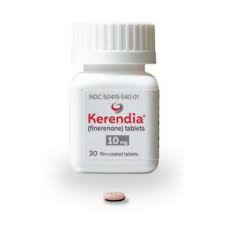
Finerenone is a new type of non-steroidal selective mineralocorticoid receptor (MR) antagonist. It is mainly used for the treatment of patients with chronic kidney disease (CKD) combined with type 2 diabetes (T2DM) to reduce the risk of disease progression and cardiovascular complications. Its unique mechanism of action makes it different from traditional mineralocorticoid receptor antagonists (such as spironolactone and eplerenone) in clinical application. It can more effectively reduce renal and cardiovascular damage while reducing the incidence of adverse reactions.
Under physiological conditions,MR receptors are mainly located in the kidneys, heart, blood vessels and other metabolic tissues, playing a key role in water and salt balance, blood pressure regulation and inflammatory response. However, in conditions such as diabetic nephropathy and hypertension-related renal damage, abnormal activation of MR receptors can lead to a series of adverse consequences, including tubulointerstitial fibrosis, vascular inflammation, oxidative stress, and myocardial remodeling. These changes ultimately accelerate the decline of kidney function and increase the risk of cardiovascular events.
The mechanism of action of fenelinone is mainly reflected in the following aspects:
First of all, it can highly selectively block MR receptors, reduce the activation of MR by aldosterone and other hormones, thereby reducing chronic inflammation and fibrosis in the kidneys and cardiovascular system. Unlike traditional steroidal MR antagonists, fenelinone has a higher affinity for MR, but its ability to penetrate the blood-brain barrier is weak, so it is less likely to cause side effects such as hyperkalemia.
Secondly, fenelinone can reduce glomerular filtration barrier damage in the kidney, improve proteinuria, and delay the decline of renal function. Diabetes and hypertension can cause an increase in intraglomerular pressure, leading to an increase in proteinuria, and overactivation of MR receptors further promotes this process. Fennelidone can inhibit this vicious cycle, reduce the occurrence of proteinuria, and reduce renal tubular fibrosis, thereby protecting renal function.
Reference materials:https://www.kerendia.com/
[ 免责声明 ] 本页面内容来自公开渠道(如FDA官网、Drugs官网、原研药厂官网等),仅供持有医疗专业资质的人员用于医学药学研究参考,不构成任何治疗建议或药品推荐。所涉药品可能未在中国大陆获批上市,不适用于中国境内销售和使用。如需治疗,请咨询正规医疗机构。本站不提供药品销售或代购服务。


