
.jpeg)
What is the cure rate of Vigabatrin/vigabatrin in treating infantile spasms?
As an anti-epileptic drug, Vigabatrin/vigabatrin is widely used to treat various types of epilepsy. One of its most significant effects is in patients with infantile spasms (West syndrome). Infantile spasms is a severe neurological disease that usually occurs in infancy and manifests as sudden, paroxysmal muscle spasms, often accompanied by symptoms such as developmental delay and intellectual disability. The disease is difficult to treat, and most patients have a poor prognosis, which can lead to long-term neurodevelopmental problems if left untreated. However, the emergence of Vigabatrin provides an effective treatment option for such patients.
In the treatment of infantile spasms, the mechanism of action of Vigabatrin is mainly by inhibiting the function ofgamma-aminobutyric acid (GABA) transporter and increasing the level of GABA in the brain, thereby exerting sedative and anti-epileptic effects. GABA is an important inhibitory neurotransmitter that plays a role in suppressing excessive neural activity in the central nervous system. Infantile spasms are often accompanied by abnormal electrical activity in the cerebral cortex. Vigabatrin can effectively inhibit these abnormal neural activities by regulating the GABA system, thereby alleviating spasms.
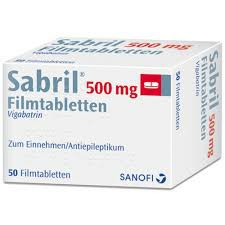
According to data from multiple clinical studies, Vigabatrin has shown certain efficacy in the cure rate of infantile spasms. Clinical data show that about one-third of patients with infantile spasms treated with Vigabatrin were able to completely relieve their spasms, and about half of the patients experienced partial relief, that is, the frequency of attacks was significantly reduced. Although the cure rate is relatively low, the use of Vigabatrin is still considered an effective treatment for patients with infantile spasms, since the onset of the disease itself is highly recurrent and predisposes to other neurodevelopmental disorders. Therefore, even if complete cure is not possible, reduction in seizure frequency and improvement in clinical symptoms are of great significance to the patient's quality of life and brain development.
It is important to note that the cure rate for infantile spasms is affected by a variety of factors. For example, the time of treatment is an important factor affecting the healing effect. Research shows that the earlier treatment is started, especially early in the onset of spasticity symptoms, the better the results. This is because early treatment can effectively reduce the damage to the nervous system caused by abnormal electrical activity in the brain, reduce the occurrence of complications, and thus improve the cure rate. Therefore, the diagnosis and treatment of infantile spasms should be carried out as early as possible, and Vigabatrin or other therapeutic drugs should be used promptly to increase the cure rate and improve the prognosis of patients.
In addition, individual differences among patients are also an important factor affecting the effectiveness of treatment. Different patients have different conditions, constitutions, and responses to drugs. Therefore, during the treatment process, doctors will adjust the treatment plan according to the patient's specific conditions. Some patients may respond better to Vigabatrin, while others may need a combination of other medications to better control their condition. Based on clinical experience and research data, Vigabatrin is often used in combination with other anti-epileptic drugs or hormonal drugs to improve efficacy. Combination therapy can effectively reduce the side effects of drugs while enhancing the therapeutic effect, thereby increasing the possibility of cure.
Reference materials:https://www.sabril.net/
[ 免责声明 ] 本页面内容来自公开渠道(如FDA官网、Drugs官网、原研药厂官网等),仅供持有医疗专业资质的人员用于医学药学研究参考,不构成任何治疗建议或药品推荐。所涉药品可能未在中国大陆获批上市,不适用于中国境内销售和使用。如需治疗,请咨询正规医疗机构。本站不提供药品销售或代购服务。


